[00:00:00] Shanna Martin: Thanks for listening to the Tech Tools for Teachers podcast, where each week we talk about a free piece or two of technology that you can use in your classroom. I’m your host, Shanna Martin. I’m a middle school teacher, technology, and instructional coach for my district.
[00:00:31] Fuzz Martin: And I’m her producer and husband, Fuzz Martin, and if I were a hip-hop artist, my hip-hop name would be Lil’ Alchemy.
[00:00:40] Fuzz Martin: It was between that and, and, and Li- Lil’- Lil’ Lab X.
[00:00:44] Shanna Martin: Well, I think I like Lil’ Lab X a little better, actually.
[00:00:48] Fuzz Martin: Oh, hello.
[00:00:50] Shanna Martin: Oh, my goodness. All right, Episode 233. 33. Oh, my goodness. We are at the end of the school year. We are holding on.
[00:01:03] Fuzz Martin: Hold on. We are
[00:01:04] Shanna Martin: gonna make it-
[00:01:05] Fuzz Martin: But one more day here … Yes,
[00:01:07] Shanna Martin: it’s May. I’m sure many of you can relate to May.
[00:01:12] Shanna Martin: Yes. May in school, field trips, and graduations, and- Memorial Day … Memorial Day, and end of the year concerts, and chaos. I don’t know. Yeah. Did you say
[00:01:27] Fuzz Martin: graduations? I did. Yeah.
[00:01:29] Shanna Martin: And kids just, like, holding on. Prom
[00:01:32] Fuzz Martin: for some. Yeah,
[00:01:33] Shanna Martin: to stay focused- Mm-hmm … with all the things. You’re like, “Hey, we’re gonna keep learning,” and they’re like, “Oh, my goodness.”
[00:01:38] Shanna Martin: I will say the one thing that’s been helpful here in Wisconsin is the weather- Yeah … does not yet feel summery or springy.
[00:01:45] Fuzz Martin: No. It’s… Yeah.
[00:01:46] Shanna Martin: Like, it feels spring, but it doesn’t feel like-
[00:01:49] Fuzz Martin: Warm constantly. Yeah … Yeah.
[00:01:50] Shanna Martin: It’s kind of like you get a nice day, and then it’s, like, freezing and rain. Yes. And then it’s, like, nice day, and then freezing and rain, so no one’s, like, sold on, like, being outside all the time.
[00:01:59] Shanna Martin: Right. Quite yet. The kids aren’t
[00:02:00] Fuzz Martin: asking you to have class outside?
[00:02:02] Shanna Martin: Right. I mean, yes, they are. Oh, okay. They… I think they started that in, like, March, but-
[00:02:05] Fuzz Martin: Okay.
[00:02:06] Shanna Martin: But no. So anyway, we are gonna talk about a cool couple of science tools that, um, are super helpful for engaging students in science activities, and they’re free, obviously, which is the focus.
[00:02:19] Shanna Martin: But, they have, like, science labs on a limited budget. You don’t have to worry about, like, supplies and things like that in the classroom. I know budgets are getting cut, and so it’s a way to engage students in science labs without having to pay for things. No materials really necessary. They’re digital labs, the way they’re set up- They are standards aligned, they are s- very specific, and I’ll kind of explain that as we go through the site.
[00:02:41] Shanna Martin: And then great additional support for students with absences- Mm-hmm … ’cause they are, like, I have kids that miss or, like, they have health things or, or need additional help, like, this would be a great way to practice additional labs in your classroom. And then there’s a huge variety. So the site itself, the first one, is called LabXchange.
[00:02:58] Shanna Martin: So when you go to LabXchange, it’s L-A-B-X-C-H-A-N-G-E.org. So labxchange.org, and it shows you, like, it’s, thank you, Harvard, online. And it has all kinds of educational resources linked in, and some of these we’ve talked about before, like the PhET, uh, Ca- um, Khan Academy, um, Learning for Justice.
[00:03:23] Shanna Martin: Like, a lot of them are connected through the site, which is very cool. And LabXchange, what it does is gives you a whole collection of science resources that are free, and you can choose how it’s set up. Mostly focused for high school. You could definitely use it for upper middle school, but there’s a lot of content here.
[00:03:42] Shanna Martin: So if you go to labxchange.org, and you choose your section of science, so you can choose life science, earth and space science, or physical science. We’re gonna go with earth and space. Grades 9, 12. Okay. You click on Resources. You can also go in as an educator or as a learner. So if you wanna support kids over the summer or they want extra help, or you have kids that are just really excited about science and wanna learn some more over the summer, this is a great site for them to go to.
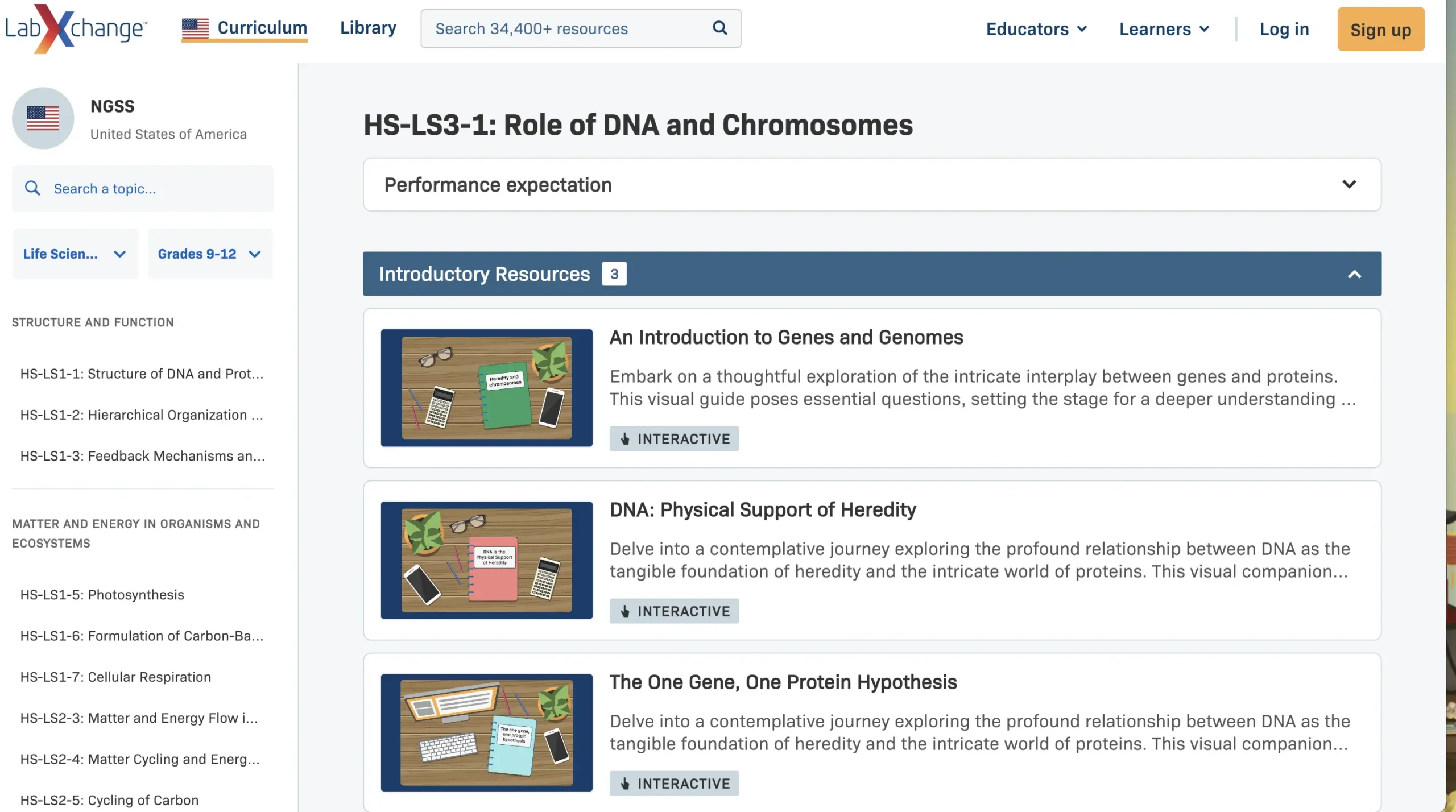
[00:04:07] Shanna Martin: It then gives you the breakdown of the different topics, so you can search by a specific topic, and this is set up through NGSS, like our, science standards for the US. You can also, like, pick and choose kind of where you’re… Depending on the resource it pulls the information from, it also aligns with various other countries, too.
[00:04:25] Shanna Martin: So it depends on how you choose your information. Mm-hmm. So if I go under Earth’s Systems, and I wanna click on Water’s Effects on Earth Materials, I click on it. Again, aligned with our standards. It gives you introductory, then resources. It gives you, like, the Science Buddies Guide to Water. Okay. You keep scrolling through, though.
[00:04:46] Shanna Martin: It’ll talk about hands-on exploration. It’ll go under Explanation and Concepts Understanding, so, like, the Science Scope article summary. It will give you design challenges. It will give you all kinds of different resources you can pull from. If you want a specific– And it’ll label it if it’s a case study or if it’s a teaching guide or if it’s an actual simulator.
[00:05:08] Shanna Martin: So they have video simulators as well. It really depends on what you want to look at or support your kids with. If you wanna go under, let’s see, Weather and Climate, Causes and Cl- of Climate Change, you can go under a teaching guide. It will give you, like, videos that connect to it. If you go under Application of Learning, Glaciers, and then it gives you a simulator It will then, and this one connects through PhET, which we’ve talked about before.
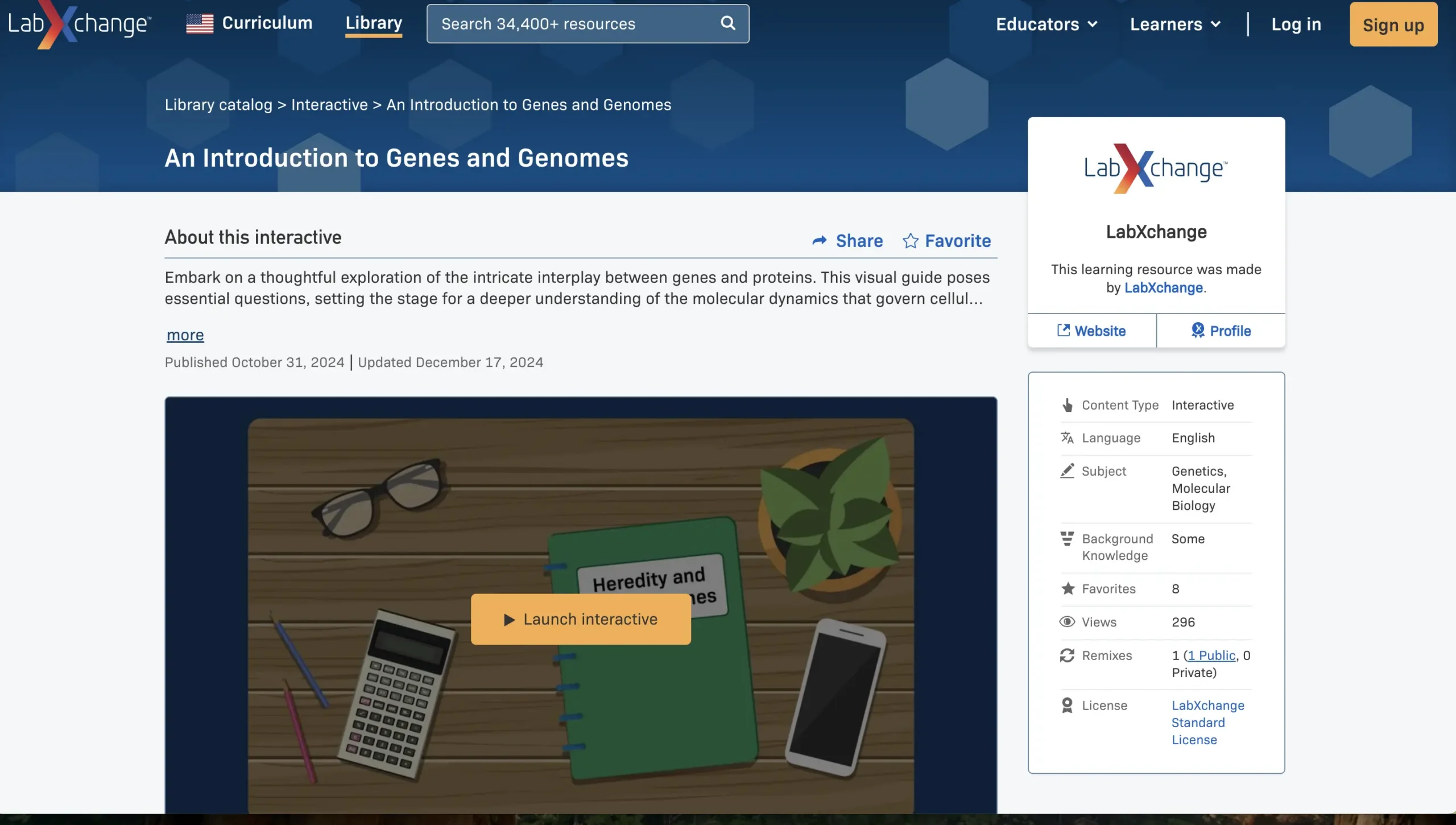
[00:05:36] Shanna Martin: So what’s cool about these is LabXchange gives you their resources, but then if it doesn’t have something, it connects you to other free educational resources. So through this one, we have the glacier simulation. You can launch the simulation. It will give you the content, the language it comes in, the subject area it’s gonna cover, how many views it’s had, all that kind of stuff, which is very cool, and so many different resources that you can pull from.
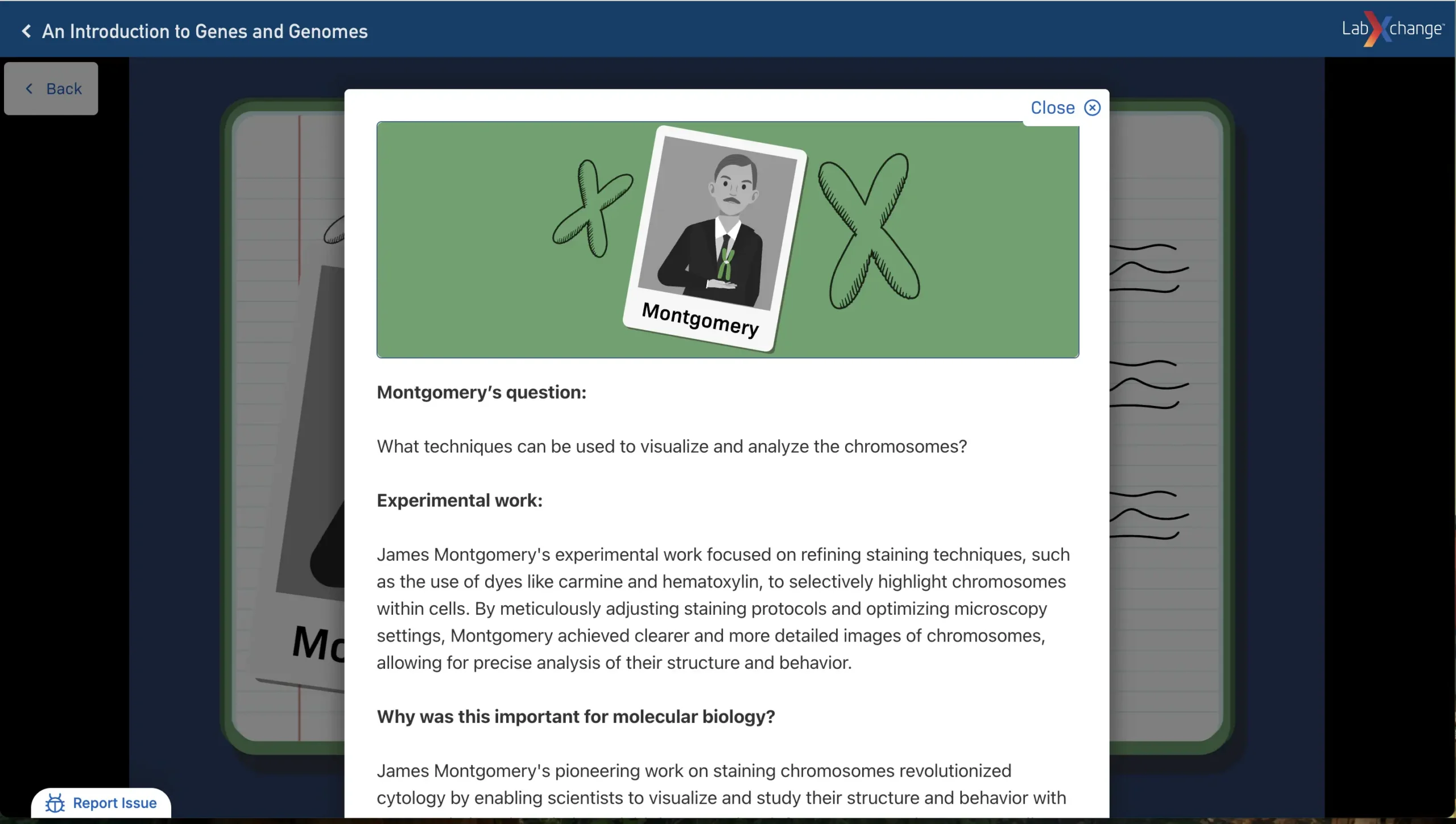
[00:06:04] Shanna Martin: Earlier, I was pulling resources for a teacher, and it was going through, genetics. Mm-hmm. And it had, like, the simulator walked you through the history of genetics, and the best part was it shifts from, there’s like a little blue X and a red X, and until you’ve actually read or completed one part, it doesn’t move on to the next, so kids couldn’t skip through it.
[00:06:26] Shanna Martin: Oh, sure,
[00:06:26] Fuzz Martin: yeah.
[00:06:27] Shanna Martin: And that one’s set up through LabXchange. So different resources have different ways to navigate through them.
[00:06:34] Fuzz Martin: Mm-hmm.
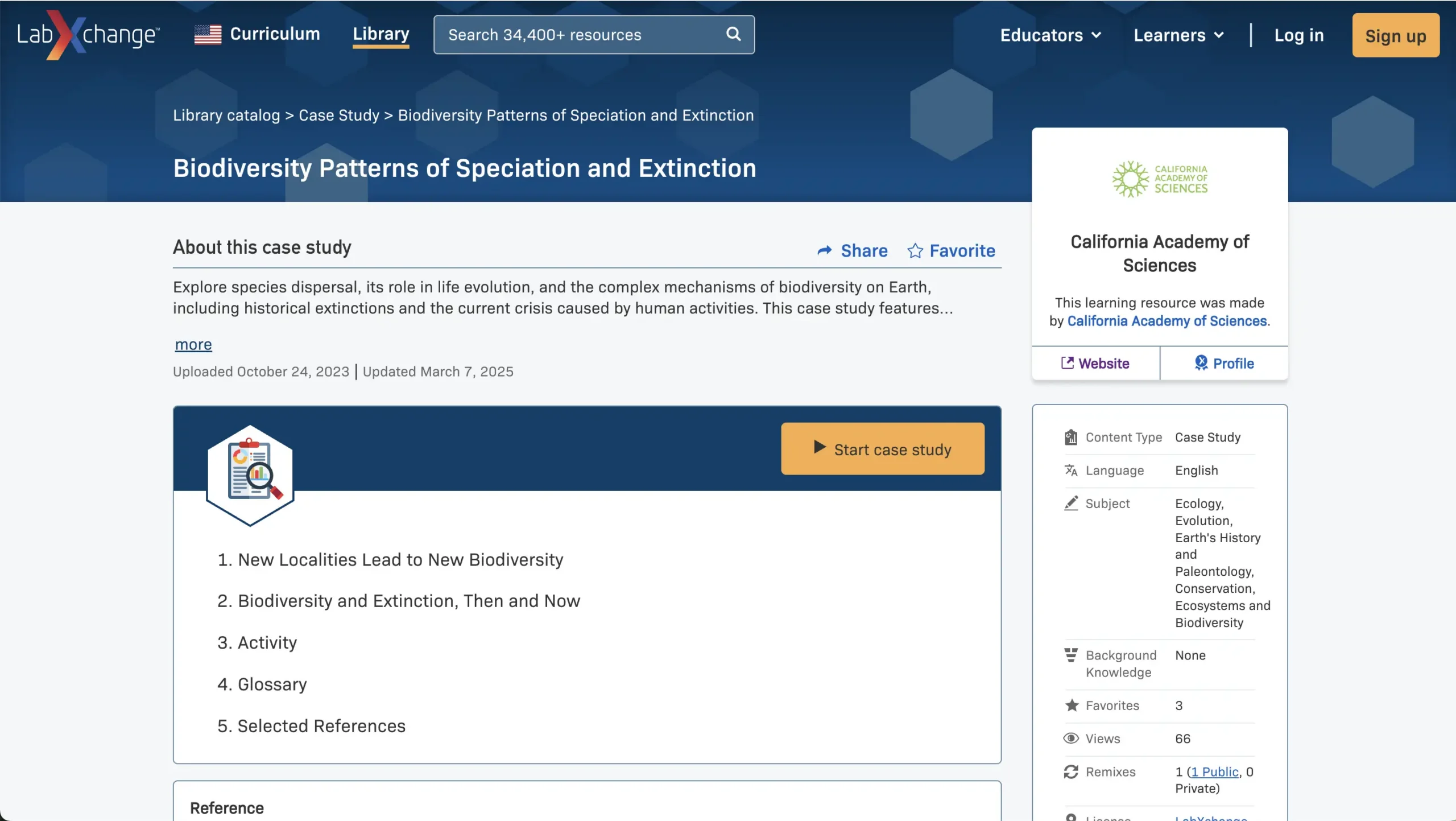
[00:06:34] Shanna Martin: But again, if you’re looking at 9-12, they’re very easy to figure out when you’re looking at the different resources. Articles, teacher’s guides, just so many very cool, very relevant specific science resources, and the simulators are built right in, so you can, whichever topics you’re choosing, I went under like Threats to Biodiversity.
[00:06:54] Shanna Martin: This one is just gonna be text, it’s gonna be an article versus if you scroll down, you’ve got a different case study with a youth challenge that connects to it. So again, by every science standard, you can pull resources and simulators and case studies, and they’re all in one spot. So it’s super helpful.
[00:07:14] Shanna Martin: Mm-hmm. And it gives you, like you can click the search button, and it searches over 34,000 resources. Like, there’s so many science resources that it will pull that are relevant that would be super helpful for your students. Love it. We love a good science resource. Absolutely. The other thing, if you click on Library at the top, it will walk you through all the content types, and then you can choose how you wanna look at it.
[00:07:39] Shanna Martin: So if you go to Library and you click Simulators, that will give you all the simulations, so if you just wanna look for science simulations versus looking by standards. So it’s a different way to search- Mm-hmm … um, depending on what you need for your students. So, like energy dynamics between producers and consumers, and that’s a simulation.
[00:07:57] Shanna Martin: And you click on it, and then you can launch it. And again, it shows you everything that it’s aligned with and then additional teaching resources that go with the simulation. So there’s just so many cool resources. Again, summer help, supporting students. I love a good virtual frog dissection lab because I don’t know about you, you dissected frogs in school?
[00:08:20] Fuzz Martin: Yeah, I did.
[00:08:21] Shanna Martin: And that’s fun for some and not fun for others. Also-
[00:08:27] Fuzz Martin: We didn’t– We did frogs. We did Cow’s eyes we did.
[00:08:30] Shanna Martin: We did pigs. We did fetal pigs.
[00:08:32] Fuzz Martin: We did fetal pigs as well. I was in all the- In groups. Yeah. Um-
[00:08:36] Shanna Martin: But these things are expensive. Yeah. Like, it’s expensive to get frogs for kids to dissect- Right … in school, and if you don’t have a budget, you just click on the virtual simulator and it’s just as gross as the real thing.
[00:08:47] Shanna Martin: It just doesn’t smell, so I feel like that’s a win. Mm-hmm. You don’t have a smelly frog, you just have a virtual- Yeah … frog dissection. Gross. Um, so yeah, so all kinds of cool things in here for your kids to try out, along with, yeah, all the topics. Mm. Proteins, DNA, like, you can… It’s there. So if you wanna go, again, library to simulations, you can pull just the simulations if you’re looking for those resources for your students.
[00:09:14] Shanna Martin: So check it out. LabXchange, there’s a lot of options. Again, the focus is 9-12. You could do upper middle school. Mm-hmm. And whether you’re going in as an educator or a learner, um, you’re able to do that and have those resources for your students, and they’re all free, and we love free science, which is super awesome.
[00:09:33] Fuzz Martin: Absolutely.
[00:09:33] Shanna Martin: Another quick mention I wanted to put in there for younger students is, like, a simulator. It’s called Little Alchemy. I know I’ve talked about it before. You can launch Little Alchemy 2 from a computer. So it’s L-I-T-T-L-E A-L-C-H-E-M-Y 2, the number 2- Mm-hmm … .com. Um, and while they do have an app, you can launch it from a computer.
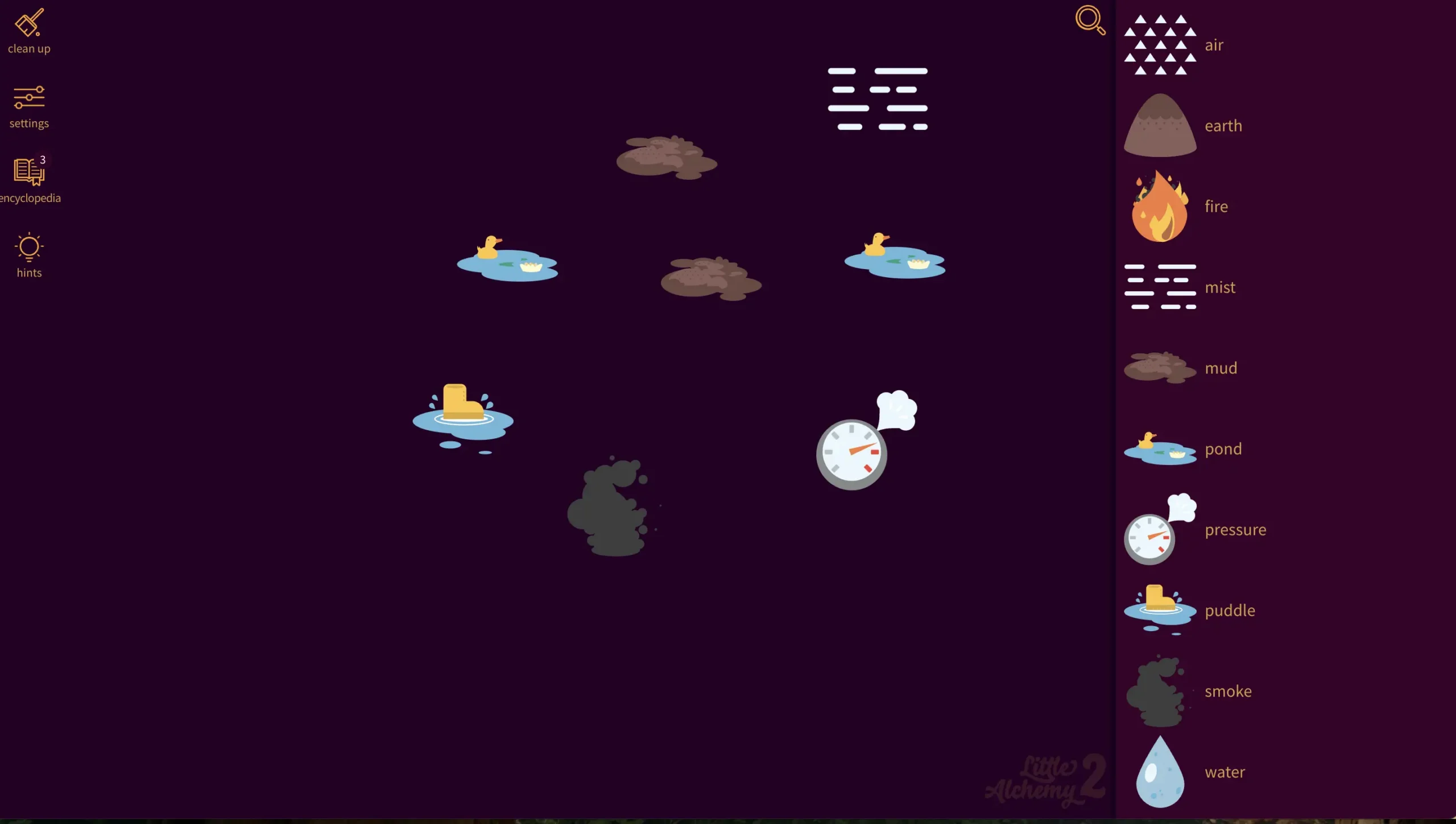
[00:09:58] Shanna Martin: It has, like, nice calming music for everybody. Mm-hmm. Um, and Little Alchemy is a way for kids to, especially elementary and up, upper, ’cause it’s fun as an adult, too, to see what you can create. Mm. But you are able to take the basics: air, earth, fire, water. And then see how many elements and things that you create in the world.
[00:10:24] Shanna Martin: So, like, you combine water and air, and then you get mist. And if you get air and you add it to it, then you get pressure. Mm. And so you build and create using the basics to, like, create 250-some things within the world, and you understand the connections between them.
[00:10:44] Fuzz Martin: Sure, yeah.
[00:10:45] Shanna Martin: Our child plays this often.
[00:10:48] Shanna Martin: Oh, this… Okay, this
[00:10:48] Fuzz Martin: is that game. Yeah. I gotcha.
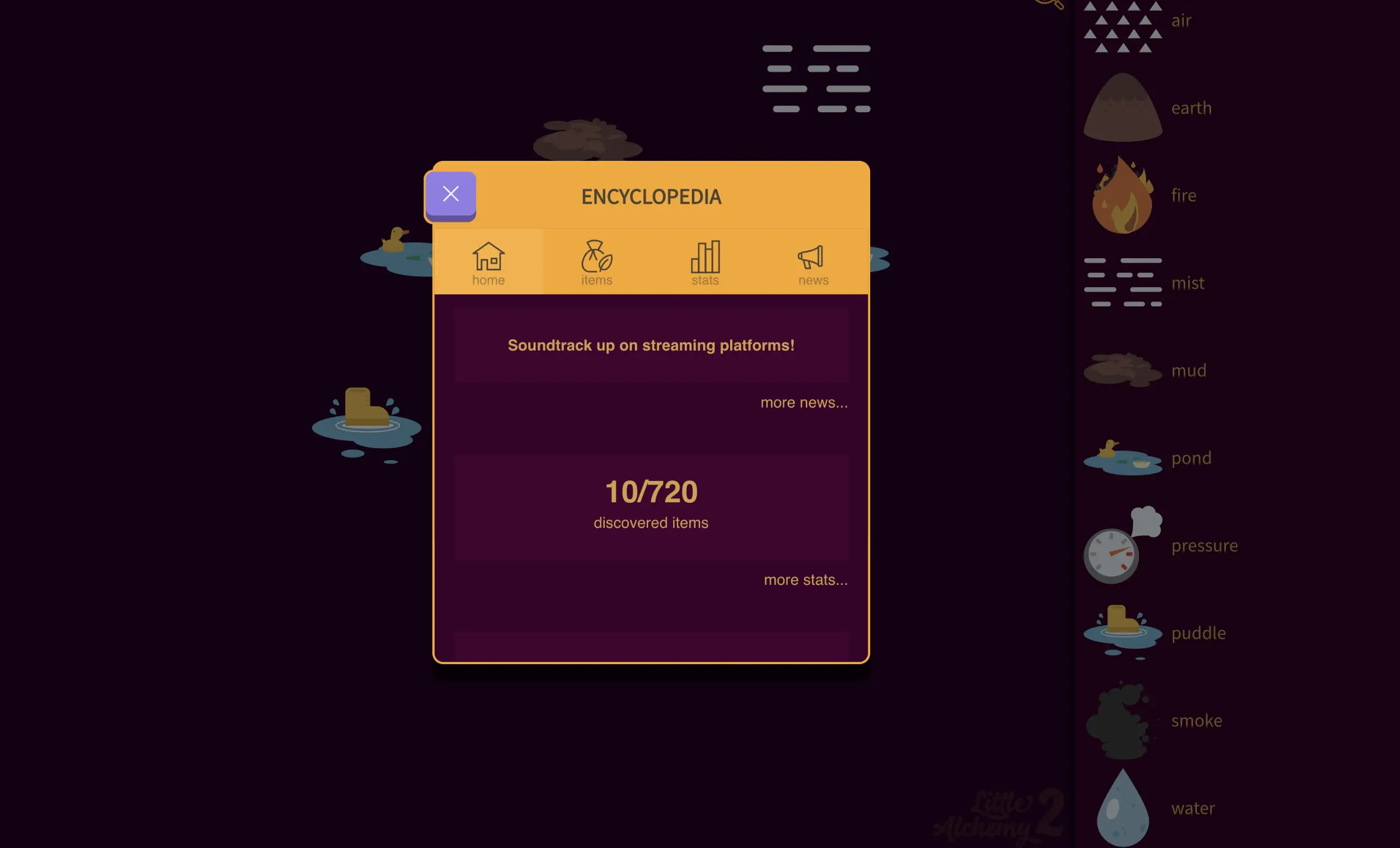
[00:10:50] Shanna Martin: She plays this often. She’s a fifth grader. And, oh, there’s… Sorry. There’s 720 items you can make. And I think she only has, like, 15 left, but this has been an ongoing process. She comes back and forth to it and keeps creating things. What I appreciate is they do keep an encyclopedia- Mm
[00:11:08] Shanna Martin: so then kids can learn the vocabulary and the connection between them. So you can kind of see how many items you start with. You can see- How many items you’ve created, and then you can see what things connect with one another. And it’s a great way to see the connection of all of the things on Earth.
[00:11:25] Shanna Martin: Like, it’s just a very cool way to see that happen- Mm-hmm … in a very basic level. Like, the images are very cartoony and straightforward, and it’s a very kind of neutral screen, and it just, like, you can just build and create and build and create and see all of these things that you can make in the world.
[00:11:40] Shanna Martin: Yeah. So it’s a cool way to teach science and engage kids in science, and they think they’re kind of, like, creating a game, and it’s a challenge. Mm-hmm. But really, it’s just very basic and very simple. So it’s something to test out with your kids. It’d be something to give your kids over the summer, too, to, like, challenge them.
[00:11:56] Shanna Martin: Yeah. See if they can create all 720. Yeah.
[00:11:58] Fuzz Martin: Make them think. Yeah.
[00:11:59] Shanna Martin: Yeah, ’cause you have to think about it, like, how you combine them, and it won’t let you just, like, throw everything together-
[00:12:04] Fuzz Martin: Mm-hmm …
[00:12:05] Shanna Martin: more than once. It makes, like, primordial soup, like, one time. Yeah. And then that’s all you get. Mm-hmm, mm-hmm. So it’s worth trying out.
[00:12:12] Shanna Martin: So there’s some science things to test out with your kids. Share them with them for summer work or just additional practice. And again, they’re both, both websites are super engaging, easy to understand, and they will walk students through them at their level, whatever they are needed. Yeah, great. So test out some free science tools.
[00:12:29] Shanna Martin: There you go.
[00:12:30] Fuzz Martin: Perfect.
[00:12:31] Shanna Martin: So thanks for tuning in. This has been the Tech Tools for Teachers podcast. If you ever have any questions, you can find me on Blue Sky Threads, Facebook, Instagram @Smartinwi. And if you wanna get more information on the links to this technology discussed in this episode, you can visit smartinwi.com.
[00:12:46] Shanna Martin: If you’d like to support the show, please consider buying me a coffee or two. Visit buymeacoffee.com/smartinwi, or visit smartinwi.com and click on that cute little purple coffee cup. Your donations help keep the show going. New episodes every once in a while. We try to do every other week, but we’ll see.
[00:13:05] Shanna Martin: Thanks for listening. Go educate and innovate.
[00:13:08] Fuzz Martin: The ideas and opinions expressed on this podcast at the Smart NWI website are those of the author, Shanna Martin, and not of her employer. Prior to using any of the technologies discussed on this podcast, please consult with your employer regulations. This podcast offers no guarantee that these tools will work for you as we’ve described, but we hope they do.
[00:13:24] Fuzz Martin: We’ll talk to you next time here on the Tech Tools for Teachers podcast.
[00:13:35] Fuzz Martin: Shh. Snoring Dog Media