Thank You for Listening & What’s Next

The Final Episode of the Tech Tools for Teachers Podcast — For Now

After eight seasons and 235 episodes, we are wrapping up the Tech Tools for Teachers Podcast.

For the last eight years, we’ve talked about free technology that teachers can use in their classrooms. We started this podcast at our kitchen counter with two microphones, a snoring dog in the background, and a simple idea: share helpful tools with educators in a way that felt practical, approachable, and easy to use.

A lot has changed since then.

When the podcast began, the focus was often on fun websites, classroom tools, and creative ways to use technology with students. Over time, the conversation shifted. Technology became more than something “extra” to try. It became part of how teachers communicated, planned, supported students, and adapted to huge changes in education.

Through 2020 and the years that followed, video tools, digital resources, and online learning supports became essential. Now, education is shifting again with AI tools that help teachers save time, build lessons, create materials, and manage the ever-growing list of things asked of them.

At the same time, we are also seeing an important shift back toward balance.

Students need technology skills, but they also need time away from screens. They need to write on paper, solve problems with their hands, collaborate face-to-face, read print resources, get outside, and have space to think without constant digital input.

Technology can be powerful, but it is still just a tool. The heart of education is still people: teachers, students, families, and communities.

One Final Tool: 1,000 Hours Outside
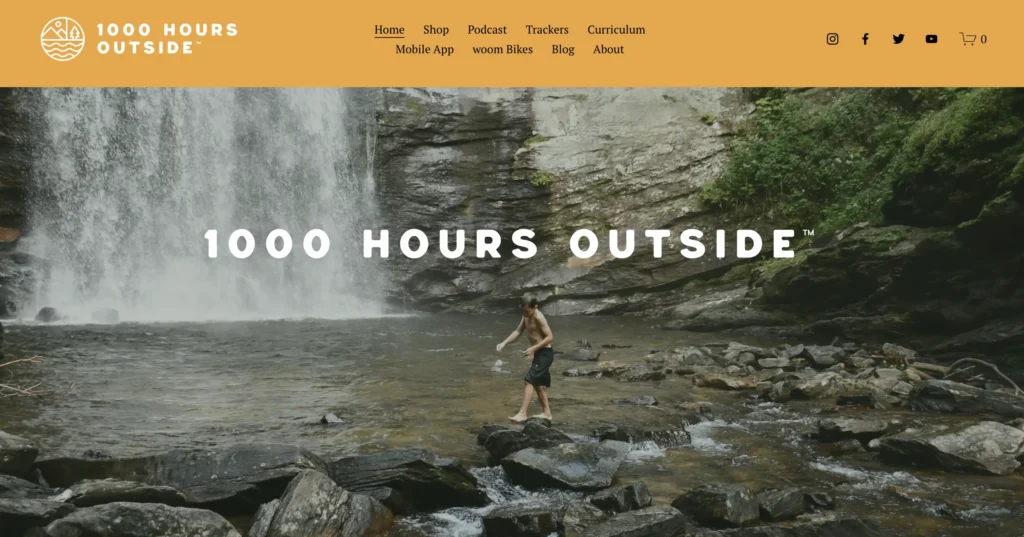
For the final episode, we still had to share one more resource: 1,000 Hours Outside.

The idea is simple: spend more time outside.

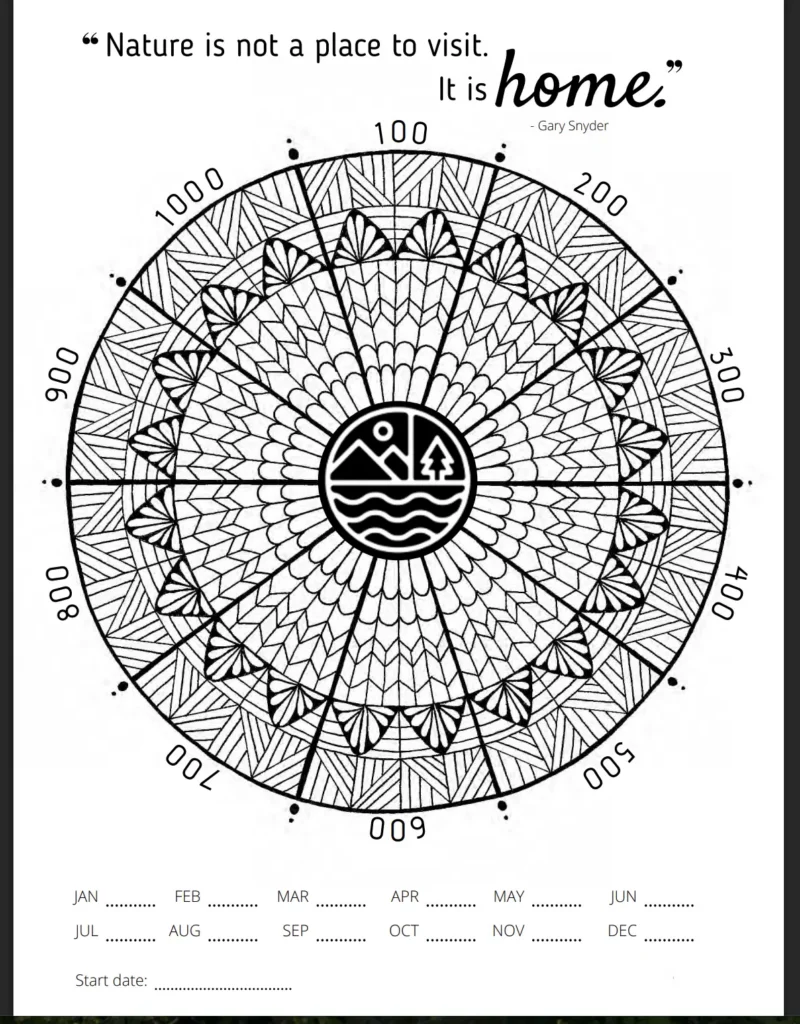
The site encourages families and students to track outdoor time with the goal of reaching 1,000 hours outside in a year. They offer free printable trackers, including coloring-style pages that make tracking outdoor time visual and fun.

And getting outside does not have to be complicated. It can be:

  • reading on the porch
  • drawing with sidewalk chalk
  • watching clouds
  • playing catch
  • walking to the library
  • helping a neighbor with yard work
  • hiking a local trail
  • sitting outside and enjoying fresh air

The goal is not perfection. Even if you do not hit 1,000 hours, the tracker encourages families to be intentional about unplugged time.

In my district, we recently created a summer outdoor challenge inspired by the same idea. Students received a bingo-style card with simple outdoor activities to complete over the summer. If they complete five activities, they earn extra outdoor time in the fall and get entered for a chance to win unplugged activities like board games and snacks.

It’s a small way to encourage families to pause, go outside, and do something together.

Favorite Tools Along the Way

Over 235 episodes, we’ve shared a lot of tools. Some were practical. Some were creative. Some were just plain fun.

A few favorites that came up again in this final episode include:

  • Bouncy Balls for classroom noise management
  • Blob Opera for pure joy and musical creativity
  • Canva for Education for student projects, posters, choice boards, and professional-looking classroom materials
  • Google Slides for creating posters, timelines, newsletters, modified assessments, and so much more
  • Trello for organization
  • Claude for AI-supported planning and brainstorming

These are the kinds of tools that teachers have come back to again and again because they save time, support students, or make learning more engaging.

What We’re Proud Of

The goal of this podcast was always simple: help teachers.

Teaching is hard. Time is limited. Resources can be expensive. If this podcast helped someone find a free tool, build a better lesson, support a student, save a little time, or feel less alone in the chaos of teaching, then it did what it was supposed to do.

That is what I’m most proud of.

What’s Next?

For now, we’re taking a pause.

Life is full right now with family, school, community work, and all the moving pieces that come with this season. But this probably is not goodbye forever. We enjoy podcasting together, and there may be something new in the future. It might be education-related. It might be something totally different. We’ll see.

For now, the website will stay up, and all the resources will still be available at smartinwi.com.

Thank you for listening, sharing, learning, and trying new things with us over the years.

Go educate and innovate.

~ Shanna

TECH MENTIONED IN THIS EPISODE

[00:00:00] Shanna Martin: Thanks for listening to the Tech Tools for Teachers podcast, where for the last eight years we’ve been talking about free technology that you can use in your classroom. I’m your host, Shanna Martin. I’m a middle school teacher, technology, and instructional coach for my district.

[00:00:31] Fuzz Martin: And I’m her producer and husband, Fuzz Martin, and now that the podcast is ending, I’m gonna have to find some other hobby to spend all my money on.

[00:00:40] Fuzz Martin: Just kidding. Already have.

[00:00:44] Shanna Martin: If anybody wants a wood gnome.

[00:00:47] Fuzz Martin: I’ve been woodworking. Nobody saw that coming.

[00:00:52] Shanna Martin: Oh, man.

[00:00:53] Fuzz Martin: See, now

[00:00:54] Shanna Martin: I can pun. See, now you can pun. It took a

[00:00:55] Fuzz Martin: little while to come up with a pun for the opener for this final one.

[00:00:59] Shanna Martin: But here we are. And here we are. Here

[00:01:01] Fuzz Martin: we are.

[00:01:02] Shanna Martin: So we are here, episode 235. We’re at the end of our podcast together.

[00:01:10] Shanna Martin: We’re at the end of a school year. Yeah. So many things are shifting. It’s good, lots of fun things going on. Mm-hmm. Um, but general life is a little chaotic and busy. We have a child going into middle school, and very involved, and another one that just graduated from college. And, uh- Yeah, and s- So many things So many things- So many things

[00:01:32] Fuzz Martin: going on.

[00:01:33] Shanna Martin: So yeah. So we thought- Good, good transition

[00:01:35] Fuzz Martin: point.

[00:01:35] Shanna Martin: It is. It is a good shift, and there’s so many things kind of shifting in our world. We’ll kind of talk about that a little bit today, that it’s a good place to be. Yeah. So lots of good things. And for everybody, hooray. We are, either you’re on summer break, very close to summer break, or summer break is, like, within sight.

[00:01:55] Fuzz Martin: You might be listening to this in your car on the way to your last few days of school.

[00:02:02] Shanna Martin: Yes.

[00:02:02] Fuzz Martin: Pretty cool.

[00:02:03] Shanna Martin: It is pretty cool. We all need a break-

[00:02:06] Fuzz Martin: We could all, could all get a break … ‘

[00:02:07] Shanna Martin: cause oof.

[00:02:07] Fuzz Martin: Yeah. You know. But- We

[00:02:08] Shanna Martin: love our children … not

[00:02:09] Fuzz Martin: that any of you actually fully take off for the summer No,

[00:02:11] Shanna Martin: nobody actually does.

[00:02:12] Shanna Martin: No educator I know on this planet actually-

[00:02:15] Fuzz Martin: Yeah … gets the whole thing off Just before this conversation, you were talking about- Yeah … a training session that you’ll be in, so-

[00:02:21] Shanna Martin: Yeah … or hosting That I’m coordinating with staff and- Hmm … and putting together a book study and a few other fun things. Yeah. So- Well- But it’s all good.

[00:02:28] Shanna Martin: Like, it’s- Keeps you fresh … it does, and it’s fun. It’s fun to do.

[00:02:31] Fuzz Martin: Yeah. So we’ve been doing this podcast since December 2018, I believe.

[00:02:39] Shanna Martin: January. It was the beginning, like we started, but it dropped in January.

[00:02:43] Fuzz Martin: That’s right. Like- That’s right … the Ja- January 2nd or something like- Of

[00:02:44] Shanna Martin: 2019, yeah.

[00:02:47] Fuzz Martin: But we’re however many seasons in.

[00:02:51] Fuzz Martin: Uh- Yeah, s- … seven, eight. Seven?

[00:02:53] Shanna Martin: Six or seven. No, no, no. We can’t, can’t

[00:02:57] Fuzz Martin: end the show with a six, seven joke. No, it is eight. Uh, I thought it- It’s season eight … I thought… Oh, yeah, season- Like, come on. Oh, man. I walked right into that one. But- You did. So we started this at our kitchen counter. I was like, “Hey, you should do a- Yeah

[00:03:12] Fuzz Martin: podcast about this stuff” And you were like- ‘Cause you talk

[00:03:14] Shanna Martin: about it all the time. Yeah.

[00:03:15] Fuzz Martin: And then you were like-

[00:03:16] Shanna Martin: Uh … ”

[00:03:17] Fuzz Martin: Uh, I don’t- I don’t know … don’t know if I wanna do that” And then I pulled out… Actually, I think I bought

[00:03:22] Shanna Martin: two microphones. We had two microphones here, so- Yeah. … we’re gonna try it. I had

[00:03:24] Fuzz Martin: done, you know, podcasting and things like that.

[00:03:26] Fuzz Martin: Yeah. But the, uh, we bought these little snowball microphones that had- Yeah … really bad quality. If you go back and listen to episode one versus this one, you’ll see that- Yeah … uh, we’ve all improved over the time. But- 235 episodes ago- Yes … sitting at the kitchen counter, our old dog Alina, rest in peace, was snoring on the couch.

[00:03:45] Shanna Martin: Hence the LLC. Yeah. At, at

[00:03:46] Fuzz Martin: that time, what did you think that educational technology would look like today?

[00:03:54] Shanna Martin: In the fu- Well, like in the future? In the future. Yeah. It was one of those people actually asked me in the very beginning, like, “How are you gonna keep up?” Yeah. They’re like, “Are you gonna have enough technology to talk about on your podcast if you talk about three or four ep- three or four, like websites or apps a week- Mm-hmm

[00:04:08] Shanna Martin: or whatever it’s gonna be.” And I was like, “Really? Like, there is millions of websites out there.” Yeah. Like yeah, I’ll have no problem talking about it. But there has been a shift with, um… Like, when I would first, at first it was all of the sites that I used regularly with my staff, and as an educator, I also shifted in my role- Mm-hmm

[00:04:30] Shanna Martin: becoming a technology coach in my district, and then becoming an instructional coach within my district, where it wasn’t just, like, all the cool stuff that you used, like, with your students, but then, like, what were websites that supported teachers, and then what were websites that supported the curriculum that the teachers were teaching.

[00:04:47] Shanna Martin: So, like, the shift in what websites… Like, there… I knew that there would… I would never run out of websites to talk about. Mm-hmm. And websites change and shift over time, as we’ve talked about on many of the episodes, where, like, three years ago it was like this, and now it’s super awesome and adapted. Yeah.

[00:05:04] Shanna Martin: Um, so I think that shift where it wasn’t just like, “Here’s cool websites,” but then it was like, “These are things we’ve used in the classroom and how they help students,” which I always kind of talked about, but, like, that shift happened where how I… Because I was exposed to more classrooms too. Like, as an instructional coach K-12, I’ve been exposed to more things as well.

[00:05:27] Shanna Martin: Sure. Sure. So I think that that shift has happened just with things I can offer free on the podcast, which was always important. It had to be free.

[00:05:36] Fuzz Martin: Has there been anything that has surprised you, uh, in the, in the way that technology has changed since then?

[00:05:43] Shanna Martin: I mean, there’s the shift towards AI now, where- Yeah

[00:05:46] Shanna Martin: um, you know, teachers jump on and there’s so many things like Magic School and, um, like a variety of teacher AI tools that are out there. Mm-hmm. And Google has, like, has Gemini built right into your, you know, your Google Classrooms and stuff. I think that shift- Has changed how teachers use technology Mm-hmm Um, but also in there you have to remember, like, as we, like, coming out of 2020- Oh, yeah.

[00:06:14] Shanna Martin: Yeah … like, that shift, everything has shifted several times over. So first it was, like, just using cool tools. Then it was, like, video tools, super important. Mm-hmm. Visuals on your computer because we couldn’t be face-to-face, but you could make videos and things like that, where, like, you will see on my YouTube channel, we always joke about this, like, when I make videos that are not just my podcast, but, like, video walkthroughs.

[00:06:38] Shanna Martin: Yeah, yeah. Like, those are huge ’cause people are also visual. Mm-hmm. But then the shift out of that, like, we are so sick of seeing each other on screen-

[00:06:47] Aleena (RIP): Yeah …

[00:06:48] Shanna Martin: that now we need to- For sure … like, shift to something else. And then AI because of education changing. Mm-hmm. And there being, there being a lot asked of teachers all over the world, not just in the United States, but there’s a lot asked of teachers, and trying to, like, balance classrooms and support students and lesson plan and, you know, change with curriculum and shift.

[00:07:11] Shanna Martin: Like, the AI supports that have been built in are huge time savers because for all the things teachers do, like, you also have lives outside of the building. Yeah. And I think that that is sometimes forgotten or lost. Mm-hmm. That not many other jobs you are spending just as much time outside of work working as you are inside of the classroom.

[00:07:32] Fuzz Martin: Yeah.

[00:07:32] Shanna Martin: So.

[00:07:33] Fuzz Martin: And it helps even with less resources, fewer resources, it helps you maintain that level of, uh, you know- Balance … teaching balance that, um, that people expect even though the resources have gone lower. Right. So, um- And just

[00:07:51] Shanna Martin: they’re e- like, they’re expensive, and districts don’t have the money. Yeah.

[00:07:54] Shanna Martin: So if there’s ways to…

[00:07:55] Fuzz Martin: Yeah, to make things more efficient, I guess.

[00:07:57] Shanna Martin: Yeah.

[00:07:57] Fuzz Martin: Um, so talking about then-

[00:08:00] Aleena (RIP): Mm-hmm …

[00:08:00] Fuzz Martin: for many years as this has evolved, and it had started well before then-

[00:08:06] Aleena (RIP): Mm-hmm …

[00:08:07] Fuzz Martin: schools were going toward more devices, more technology, obviously. Yeah, one to one.

[00:08:12] Aleena (RIP): Mm-hmm.

[00:08:12] Fuzz Martin: Um, you know, the, uh, COVID- Mm-hmm

[00:08:15] Fuzz Martin: brought that to the forefront. Um, are we starting to see a shift away from that mindset?

[00:08:23] Shanna Martin: Yes. I think, like, right… There’s, like, two things happening in education right now, and this is very much my opinion, but, um- There is the AI. We need, like, things built in- Mm-hmm … supports, s- time savers. Like, that needs to happen ’cause realistically, like, there’s a lot going on with this job.

[00:08:42] Shanna Martin: The other shift is realization of students need to be off of screens. Mm-hmm. So, like, so many textbooks shifted to like, “Yep, we’re not using print textbooks anymore. They’re too expensive. We’re going to Chromebooks,” and everyone’s one-to-one and we’re doing all this. But they’re seeing with so much screen time it is harming our students.

[00:09:03] Shanna Martin: Anybody who’s read The Anxious Generation or, um, you know- Grit … Grit, yeah. Mm-hmm. Any of those books, like, understanding that, like, students’ problem-solving skills, thinking, like, you can build in STEM projects. I’ve always been a firm believer in that. Um, and you can use technology, but also there’s a shift where, you know, we need to write things on paper to make sure- Mm-hmm

[00:09:24] Shanna Martin: our brains are working and processing things. We need to make sure that if we are researching on a computer, then we might go back and take that research and check it in a print resource or do a comparison between the two. Um, there is a shift to get kids off of screens ’cause they’re finding so much of it, like, they’re not retaining the information that they need to because- Mm-hmm

[00:09:49] Shanna Martin: it’s just coming at them all the time. And our kids are different too, though. Like, the world is different. They’re so used to absorbing information 17 different ways-

[00:09:56] Aleena (RIP): Yep …

[00:09:57] Shanna Martin: um, that, like, they still, like, will pick up on a video. They will pick up information really fast, but retaining it and then applying it is where we’re kind of seeing lack.

[00:10:09] Shanna Martin: The other thing is too with students is just getting outside and being one with nature and having kind of those mental breaks. Yeah. Um, fresh air, unplugged time- Mm-hmm … is there’s a shift in that. Um- There was a- … and more people pushing for it.

[00:10:27] Fuzz Martin: I, you recently took your students on a field trip. I did. And there was a no device rule.

[00:10:32] Fuzz Martin: Yeah,

[00:10:32] Shanna Martin: we just called it unplugged. Yeah. Like, every year we take our eighth graders to go hike the Kettle Moraine. Anybody that’s, um, familiar with Wisconsin and Ice Age Trail, which goes- Mm-hmm … throughout our state, and we take them outside for an entire day. Mm-hmm. And we hike. We hike five miles with our eighth graders.

[00:10:51] Shanna Martin: It’s broken up, and we feed them, and we give them snacks and water. But we… Like, the whole goal is just to be outside, one with nature. And in the past we’ve done, like, digital scavenger hunts where they’ve been able to, like, bring their phone and, like, hunt and find things on the trail and do stuff. And this year we’re like, “You know what?

[00:11:07] Shanna Martin: Nope.” Like, it is unplugged, completely unplugged. Phones are left at schools. Chaperones have them. We have plenty of chaperones, um, if there’s an emergency or something. But they… We hiked outside. We brought volleyballs and Frisbees for after lunch, ’cause we had, like, a picnic lunch. Mm-hmm. And not one kid complained.

[00:11:26] Shanna Martin: Like, it was the rule- Yeah … so then they knew they couldn’t. Mm-hmm. Which is part of it. Like, if the adults are telling them, like, “Nope, it’s school policy. You can’t bring them ’cause you can’t have them in school anyway.” Yeah. Um, and then that was just the expectation. I did have a kid that had a camera, and I was like, “What is that?

[00:11:43] Shanna Martin: It’s unplugged.” He goes, “No, it’s not.” It was a Polaroid. Like Oh, yeah.

[00:11:47] Aleena (RIP): There, there you go.

[00:11:48] Shanna Martin: And took a couple pictures and teachers took pictures for kids so they’d have them- Mm-hmm … you know? But then phones were put away. Like, it was just meant to be outside and one with nature, and they had a great time- Mm-hmm

[00:12:00] Shanna Martin: the whole time, and nobody had to worry about something else going on because they were just outside.

[00:12:06] Fuzz Martin: They were focused. They

[00:12:07] Shanna Martin: were. Yeah. And just enjoyed their time. So, um, with that, I do have, like, a little segue. I do have a tech tool, ’cause I could not talk- … about a tech tool on the last episode. Um, but it’s to support that outside time.

[00:12:19] Shanna Martin: The site is called athousandhoursoutside.com. So like the number 1,000, one, zero, zero, zero, zero, hours, H-O-U-R-S-O-U-T-S-I-D-E.com. Thousand Hours Outside. And the whole point of this website is just, it’s a global platform that’s trying to reclaim childhood, reconnect families, and restore mental health in the age of AI, basically.

[00:12:43] Shanna Martin: Mm-hmm. And, um, so they have really… It’s cool. They have… It’s simple. Track your time outside. So your goal is 1,000 hours in a year, which is actually really doable. Like, if you think about it, it’s not hard. Like, you don’t have to go hike miles and miles. Like, you can literally just sit outside- Yeah … on your front porch-

[00:13:04] Aleena (RIP): Mm-hmm

[00:13:05] Shanna Martin: read a book, or chalk, or watch the rain, or lightning, or thunderstorms. Just run inside if it’s gonna be a tornado. Like- … just spend more time outside. Mm-hmm. And they have these free trackers. If you scroll down, it says like, “How do you get involved? Start below.” There’s a little app, which I think is kind of ironic, but, um-

[00:13:24] Shanna Martin: is to be outside not just to be off your phone. They have an app. It’s a spiral notebook. Right? Um, so it’s free trackers, and I’ve already downloaded them. It just, it’s super cute. It has these cute little… There’s a bunch of different ones. You can pick the one that you want. 1,000 Hours Outside, you can just…

[00:13:40] Shanna Martin: Like, they’re kinda like coloring pages too, so you could, if you’re still in school, like send these home- Mm-hmm … with your families. Actually, I have a thought to talk about after that. Um, but 1,000 Hours Outside, you can circle if you’ve accomplished it each month, and you just keep track of your hours.

[00:13:53] Shanna Martin: There’s like a little backpack and you can color in. They look like little park stickers. So, um, they’re all just like a variety of, like, coloring pages to track your time outside. And you can pick and choose whichever ones you want to sh- show, like, show. The… There’s like a cool circular one that you kinda scroll through, and it has tiny little im- like…

[00:14:17] Shanna Martin: I’ll explain this. It looks like a circle- Okay … and then each section’s like a pie piece, and there’s 100 shapes within the pie piece to color. So for each hour, there’s like 100, so it makes 1,000. So you color in a little section of the pie-

[00:14:37] Fuzz Martin: Okay …

[00:14:38] Shanna Martin: each time you go outside, and it decorates- Oh, sure … the image.

[00:14:42] Shanna Martin: Oh, yeah. Okay. So I don’t know- Oh, that’s cool … if I’m describing that to people. Yeah. But, um, so anyway, it’s really cool. It’s- It’s like a

[00:14:47] Fuzz Martin: sticker chart, but it’s a circle.

[00:14:49] Shanna Martin: Correct. And you- And you color in each little section. Yeah. And it’s page 13 out of 54 if you’re looking through the different trackers.

[00:14:55] Shanna Martin: Yeah. Um, but there’s just all kinds of ways that you could just make it fun. Mm-hmm. Put it on your refrigerator or- Yeah … somewhere, and just keep track of your time outside. And even if you don’t hit 1,000 hours, you don’t have to hit 1,000 hours, but-

[00:15:10] Fuzz Martin: It’s the journey along the way …

[00:15:12] Shanna Martin: it’s at least encouraging, like, getting outside and seeing fresh air and being unplugged for a little bit.

[00:15:16] Aleena (RIP): Yeah.

[00:15:17] Shanna Martin: So- That’s great … along those lines, I will share within my district we did do the book study of- Anxious … The Anxious Generation And we kept brainstorming ways to encourage our families to spend a little more time outside. And so our little committee came up with a plan That I decided to make happen.

[00:15:41] Shanna Martin: Um, and we put together a plan for a district-wide outdoor challenge. We are a small school district. We are K12 in two buildings. And so the outdoor challenge is a bingo card, and each little square on the bingo card is something to do.

[00:15:57] Aleena (RIP): Yep.

[00:15:57] Shanna Martin: Play, like catch with a friend, play outside, and count the… Like watch…

[00:16:04] Shanna Martin: Make shapes out of clouds. Mm-hmm. Um, the older kids, there’s two versions. There’s a K5 version and a 6-10 version.

[00:16:11] Aleena (RIP): Okay.

[00:16:12] Shanna Martin: Uh, and then the big kids, like go help a neighbor with yard work, um, go hike the nature trail in town. Mm-hmm. Go walk to the library- Oh, yeah … and get some library books. Yeah. So they’re all things that you can do.

[00:16:24] Shanna Martin: If they get five, five of these things, they do five things, they initial them, they date them, they get an extra outdoor recess- Oh, nice … in September. And the big kids also would get outside time, extra outside time. And then each one goes into for a big, like a bucket of winter unplugged activities, so board games and snacks and stuff.

[00:16:46] Shanna Martin: Sure. So it’s simple. It’s a little way just to like acknowledge, spend some time outside.

[00:16:53] Aleena (RIP): Mm-hmm.

[00:16:54] Shanna Martin: And yes, people can initial and date whatever they want, but the goal is, like you’ve thought about it and you kept the sheet all summer, and maybe encouraging people to be outside. So just a small thing, and I, and I made it in Google Slides, made a little bingo card, little description.

[00:17:10] Shanna Martin: Yeah. And then it was shared with our district. So it’s one of those where like encouraging outside time, tracking it, and it could go right along with this Thousand Hours Outside too.

[00:17:19] Fuzz Martin: Perfect.

[00:17:20] Shanna Martin: So check out thousandhoursoutside.com. Whether it’s for you personally or sharing with your students, it is pretty cool.

[00:17:26] Shanna Martin: It also has a little podcast and, um, like links to additional information. They also have a really cool shop with like cutesy clothes about being outdoors and eating dirt. So- Um, so check it out. thousandhours- Delicious … outside.com.

[00:17:41] Fuzz Martin: Great.

[00:17:42] Shanna Martin: Yeah.

[00:17:43] Fuzz Martin: So along your way, you’re an instructional coach. Yes. And you meet with a lot of teachers and talk about a lot of different solutions for their particular needs.

[00:17:54] Fuzz Martin: Yes. But of all of them, what technology have those teachers, like overall, enjoyed the most?

[00:18:03] Shanna Martin: Like the fun ones? Yeah.

[00:18:05] Fuzz Martin: Or just, you know, like, or, or- Or the most useful ones … maybe the most useful, maybe the one that, um, across all those different types of teachers- Mm-hmm … they get, you know, that each of them is able to use.

[00:18:18] Shanna Martin: Yeah. Well, like the shift of things. Um, there’s… I mean, okay, so there’s a few- Mm-hmm … that are just fun that people use for fun, which would be like the bouncing balls. I’ve talked about it before. Mm-hmm. Um, it’s the classroom management, like sound Um- Yeah, it’s like a m- it’s, it’s- Like the noise, the noise meter

[00:18:43] Shanna Martin: yeah, noise meter. I was trying to think of the word for it. Yep. So Bouncing Balls Noise Meter, like that in elementary couldn’t be any more, like everyone loves that- Yeah … because the kids love that.

[00:18:52] Fuzz Martin: And so for those who didn’t listen that, to that episode, that’s where it uses the microphone on the, on the computer- Right

[00:18:59] Fuzz Martin: to determine the level of noise in the classroom- Yeah … and the louder- And they go like … the more they bounce … they jump all over the

[00:19:04] Shanna Martin: screen. Yeah. Yes. It’s bouncingballs.org is their- Yeah … website. And the kids love it because they can make it go louder, or you can be like, “If they’re bouncing, you can’t…” Um, it also shifts to, like numbers.

[00:19:17] Shanna Martin: There’s different balls that you can choose. There’s even eyeballs like that bounce around your screen, so there’s a lot of options with that one. Always a hit, especially with elementary teachers. Um, Blob Opera, I’ve never- Yes … met somebody who doesn’t love Blob Opera, um, teacher or not. I have people like, “Oh my gosh, I just play on Blob Opera when I’m having a stressful day just for my own entertainment.”

[00:19:40] Shanna Martin: Mm-hmm. Um, and that was put together through Google Arts and Culture, Arts and Cult- artsandculture.google, um, .com. They have several versions of it now. It has upgraded since I’ve talked about it, but Blob Opera, it uses, um, some tools. Again, it’s a Google experiment where you get to make these blobs sing, and it makes everybody else happy

[00:20:07] Shanna Martin: Um, which is always super fun. A lot of the Google tools, the staff I work with in my district, we use a lot of Google tools. Um, the biggest thing would be shifting like Google Slides into a variety of shapes and sizes. Yeah. So Google Slides you don’t have to keep the same way. Mm-hmm. You can make them poster sized.

[00:20:24] Shanna Martin: They’re great for newspapers. Um, there’s a lot of the Google things built right in, so like translate and stuff like that, which is really helpful. So if you’re building something, you can also translate- Mm-hmm … it will translate into s- languages for your other students, which is helpful, um, which is always a big one.

[00:20:42] Shanna Martin: Canva, if you don’t have a Canva Educator account, do it. It’s for free, and you have so many options using Canva. Mm-hmm. Like that’s another big one that my teachers use, um, especially for choice boards and for student projects and things like that. It’s really, really helpful. Those would probably be the top, like, general use tools Yeah, yeah.

[00:21:01] Shanna Martin: And that’s- ‘Cause everything else becomes content-based. Um, and of course, the AI tools we’ve talked about. Um, you know, using Claude. I still use Claude over ChatGPT- Yeah, yeah … more often than not. Um- If

[00:21:13] Fuzz Martin: you’re not using Claude Cowork, if you’ve got… That is amazing. Anyway, we- Yeah, for like an AI tool We’ll save that for a different podcast someday.

[00:21:20] Fuzz Martin: Right.

[00:21:21] Shanna Martin: And Trello for organization. Yeah, yeah. Like, we use Trello all the time- Mm-hmm … for organization, and I have a lot of teachers that use that personally, um, not necessarily for their classroom use, but keeping their own lives organized, because there’s so many mo- moving pieces to everything.

[00:21:34] Aleena (RIP): Sure. So

[00:21:35] Shanna Martin: those would probably be the top ones that I share the most, that teachers come back and say, “Oh my gosh, I’ve used those, and they’re so great.”

[00:21:40] Fuzz Martin: Yeah. Perfect.

[00:21:41] Shanna Martin: Yeah.

[00:21:41] Fuzz Martin: Um, so kind of getting close to wrapping up here.

[00:21:46] Shanna Martin: Yeah.

[00:21:47] Fuzz Martin: Uh, what are you the most proud of when you look back at Tech Tools for Teachers?

[00:21:52] Shanna Martin: Um, I think from when I started, and you encouraged me to do this, ’cause I’ve always kind of supported teachers in a variety of ways, but being able to share- where you like make us place for teachers to just find resources that they need- Mm-hmm

[00:22:10] Shanna Martin: knowing that everything is free, or is a free version of it, um, and just making an easy-to-use resource and/or something that’s, I mean, explaining it to teachers. Like, “Hey, I can listen to this episode. I can try it out. I can listen to the episode again to make sure like I’ve got all the details in it.”

[00:22:30] Shanna Martin: That’s what I do when I coach. Yeah. So by able to reach teachers like all over the world, which to me is always crazy that I have listeners everywhere- Mm-hmm … um, and that I can just help people in some way, I think that that is huge. So, um, being able to share free tools with educators where things are expensive- Yeah

[00:22:52] Shanna Martin: and teaching is hard and not necessarily paid very well. So if I can offer you some free resources and support, that’s what I’m here for, and that’s what I enjoy.

[00:23:02] Aleena (RIP): Perfect.

[00:23:03] Shanna Martin: Yeah.

[00:23:05] Fuzz Martin: So what’s next?

[00:23:07] Shanna Martin: Well, clearly we’re gonna do a podcast about woodworking. Yes. I’m just gonna shout projects at you- Yeah, and- … and be like, “Hey,” three words, “Put it together now.

[00:23:16] Shanna Martin: Build it. Go.”

[00:23:17] Fuzz Martin: Go.

[00:23:18] Shanna Martin: And it’ll be great.

[00:23:18] Fuzz Martin: And I’ll enjoy every minute of it.

[00:23:20] Shanna Martin: Yeah, I mean, for now, and then you’ll change your- … hobby in three months, and then I’m gonna have these- Then I’ll- … gnomes everywhere …

[00:23:26] Fuzz Martin: sell all my woodworking tools- Yeah. … and buy something else that I’m into. Um-

[00:23:30] Shanna Martin: So I think, um, for now, I mean, we’ll pause for the summer.

[00:23:34] Shanna Martin: Yep. I am passionate about a lot of things, education and, um, even getting students involved in nonprofits and things like that- Mm-hmm … that I think we will podcast again. It will just look different- Yeah … ’cause we do enjoy each other, which is kind of fun- We do … and our time podcasting together. So I think that it will be, could be education-related.

[00:24:00] Shanna Martin: It could be totally something else. Yeah. But-

[00:24:02] Fuzz Martin: Could, could be on video. Don’t.

[00:24:04] Shanna Martin: I doubt that.

[00:24:07] Fuzz Martin: Oh.

[00:24:07] Shanna Martin: Because when I’m podcasting, I can just show up and chat. Um- Yeah … but I do think that it is enjoyable, and I have enjoyed all of the pieces of the Tech Tools for Teachers podcast. So, um, we’ll see. All right. We’ll see what it holds, and maybe I’ll do one on book recommendations next.

[00:24:25] Shanna Martin: I read this book, so you should too. Yeah.

[00:24:28] Fuzz Martin: Well, uh, you can find another producer for that. I, I’m just kidding. I’m just, I’m kidding. I’m here to produce whatever you-

[00:24:34] Shanna Martin: We’ll

[00:24:34] Fuzz Martin: see … want me to produce, and I’m here to build whatever woodworking

[00:24:37] Shanna Martin: project- Great … you want me to

[00:24:37] Fuzz Martin: build. Um, well-

[00:24:39] Shanna Martin: Easiest sewing projects 101

[00:24:42] Fuzz Martin: Well, it has, it has, we do enjoy each other.

[00:24:44] Fuzz Martin: We do. And, and this has been, you know, again, it’s been eight seasons. Yes. And I think it was very rewarding, and I’m glad that you jumped in and decided to do it. Yeah. And, uh, if anybody wants a Tech Tools for Teachers sticker, um, let us know. Send Shanna your address- … and, uh, maybe buy her a coffee for the postage.

[00:25:05] Fuzz Martin: Um- … and then, uh, we’ll get them out to you. But- Yeah … uh, great work, and congra- congratulations on- Thanks … eight seasons and 235 episodes.

[00:25:15] Shanna Martin: Yes, and we appreciate all of our listeners, because without you, I’d just be talking in a microphone to myself. She’d

[00:25:22] Fuzz Martin: just be talking to me. Which would happen anyway.

[00:25:24] Fuzz Martin: Which is fine. But, yeah.

[00:25:27] Shanna Martin: Well, thanks for tuning in. This has been the last episode of the Tech Tools for Teachers podcast for now. If you ever have any questions, you can still find me on BlueSky Threads and Facebook and Instagram @smartinwi. The wed- the website with all the resources will still be there.

[00:25:43] Shanna Martin: And if you wanna get more information on the links to the technology discussed, you will find it at smartinwi.com. So thanks for listening. Go educate and innovate.

[00:25:54] Fuzz Martin: The ideas and opinions expressed on this podcast and the Smart NWI website are those of the author, Shanna Martin, and not of her employer.

[00:26:00] Fuzz Martin: Prior to using any of the technologies discussed on this podcast, please consult with your employer regulations. This podcast offers no guarantee that these tools will work for you as described, but we hope they did. Thank you for listening.

More Posts

A Few of My Favorite Tech Tools

Shanna’s Go-To Classroom Tech Tools After 234 episodes of the Tech Tools for Teachers Podcast, I’ve talked about a lot of websites. A lot. Over

Shanna smiling directly at camera - with text "Episode 232 - Boddle - Math, ELA, Science" - has criss-cross background and the tech tools for teachers logo.

Boddle Learning for Skill Practice

We’re in the final stretch of the school year, which means we’re all trying to review, reinforce, reteach, and somehow fit in everything that still