Going for Gold with Olympic Learning
February 16, 2026
Bring the Olympics Into Your Classroom with These Free Resources
The Olympics are in full swing, and let me tell you… my middle schoolers are all in. Even students who don’t normally follow sports are debating figure skating jumps, asking where Kazakhstan is, and comparing medal counts like seasoned commentators. When that kind of excitement walks into your classroom, you lean in!
This year, our middle school team decided to embrace the Olympics across all content areas. In math, students are analyzing stats. In science, they’re connecting physics concepts to events like skeleton and ski jumping. In social studies, they’re exploring host countries and mapping athlete hometowns. In ELA, they’re writing arguments and debating which athlete deserves the title of “best.” It has been so much fun—and incredibly engaging.
Here are two free tools that have made it easy to connect the Olympics to meaningful classroom learning.
TeamUSA.com
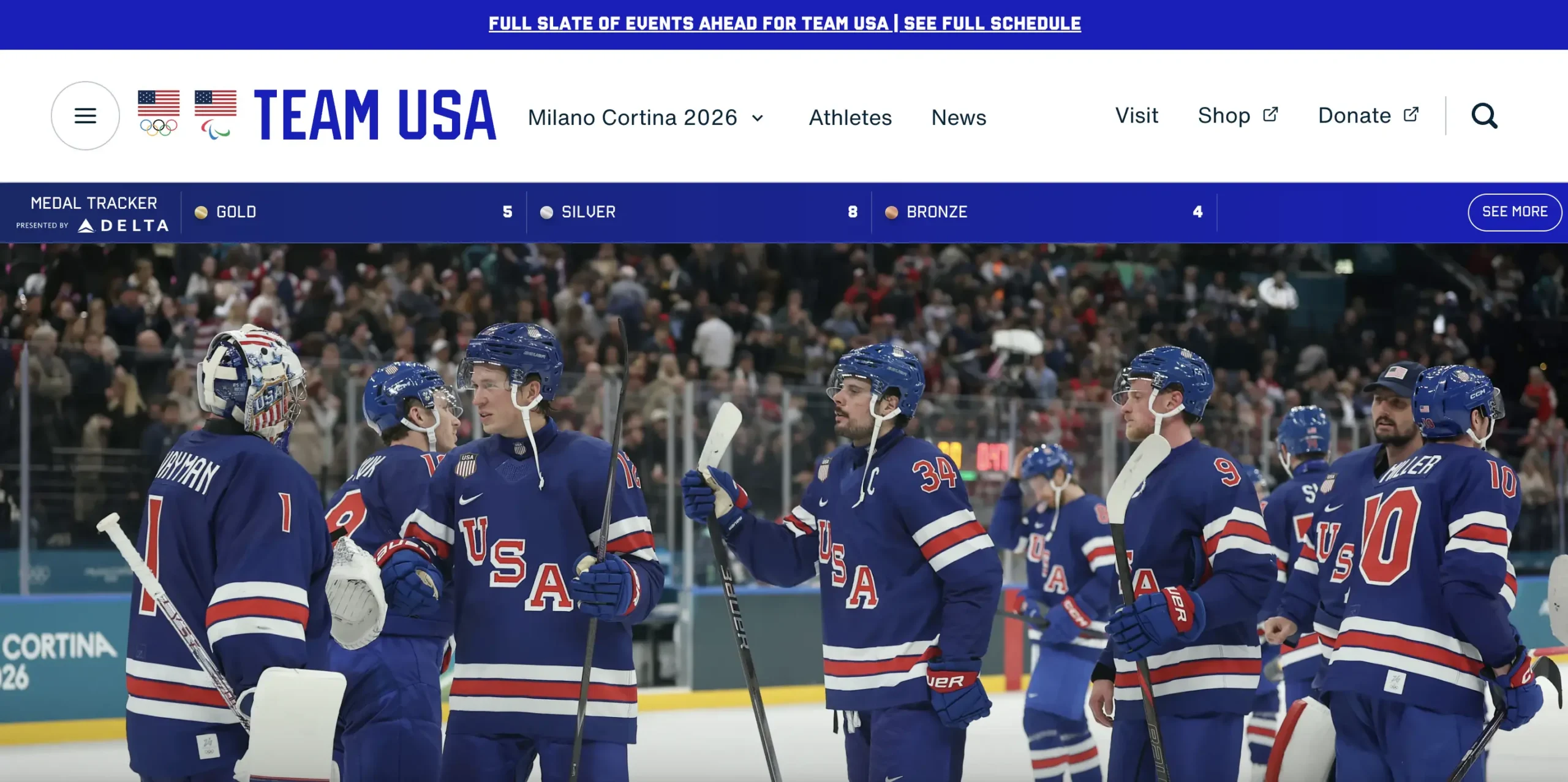
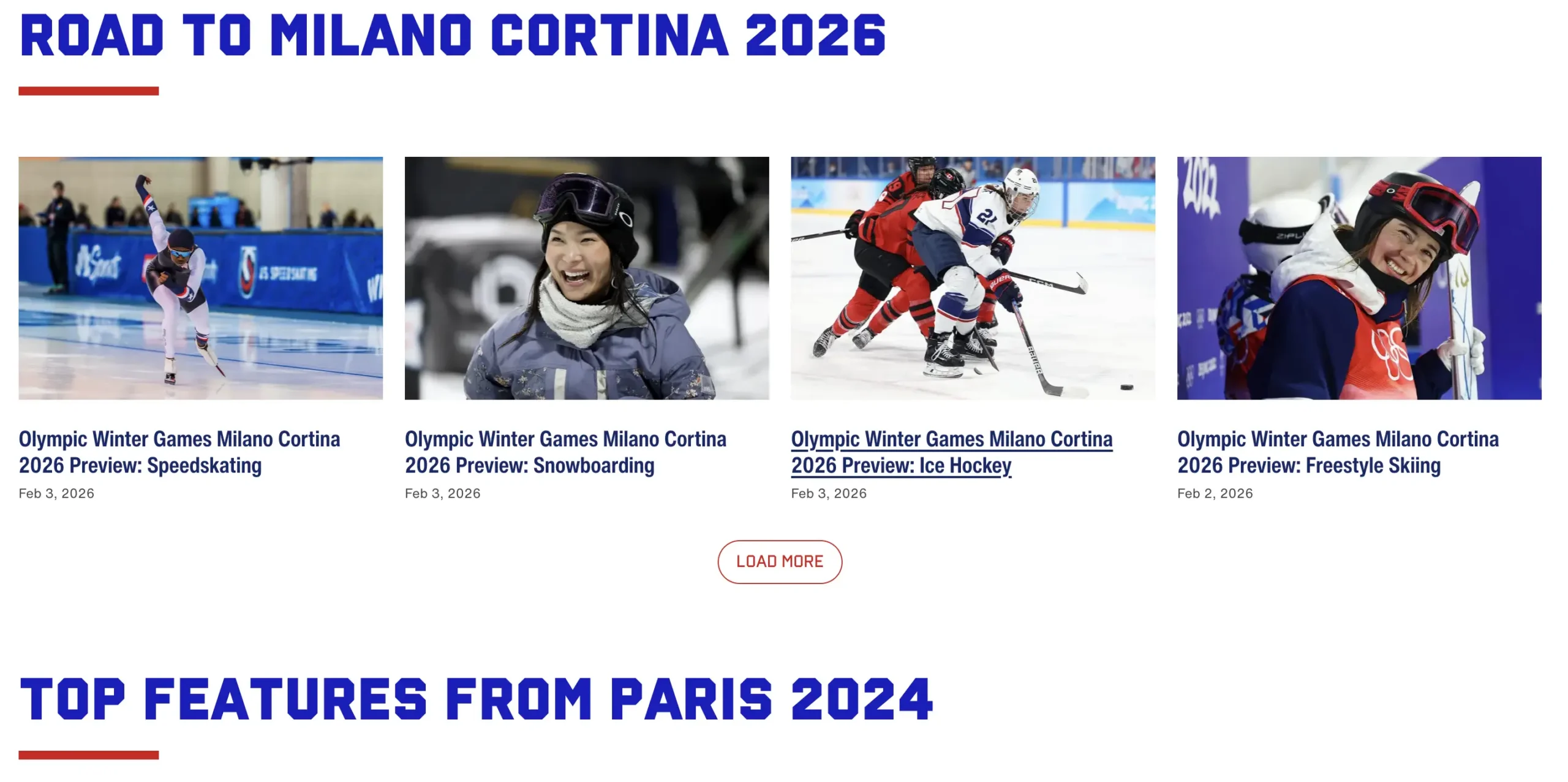
If you’re looking for a central hub of information about Olympic and Paralympic athletes, TeamUSA.com is a fantastic resource. While I know many of you are listening from around the world (and your countries likely have similar sites), this one is packed with student-friendly information.
When you visit TeamUSA.com, you can:
- Browse by sport (from alpine skiing to speed skating to skeleton)
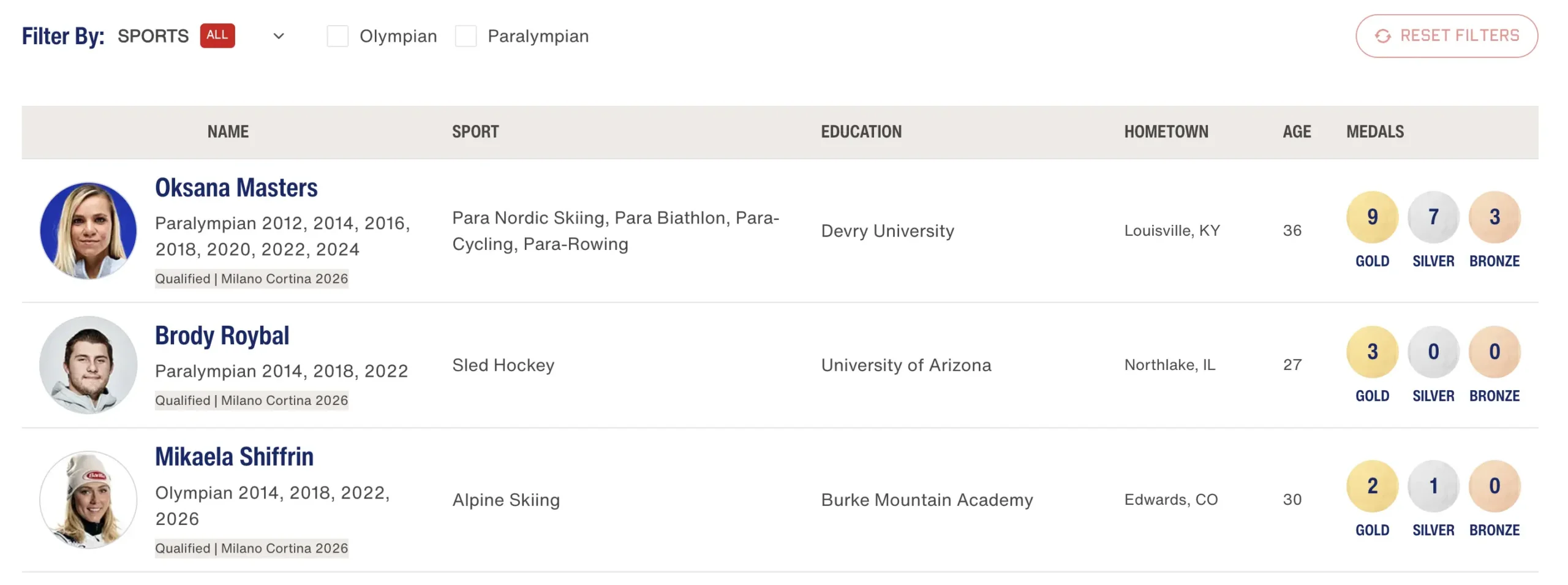
- Click into individual athlete profiles
- View medal counts (gold, silver, bronze)
- Read biographical information
- Explore stats like age, hometown, and education
- Watch highlight videos
- Learn how athletes qualified
- Switch over to Paralympic athletes and explore their stories
My students are using this site to:
- Compare athlete statistics in math
- Write argumentative essays in ELA (“Why my athlete is the best”)
- Map athlete hometowns across the United States
- Research how different events are organized geographically
One of the coolest conversations we had? Realizing that the Olympic events in Milano and Cortina are hours apart—and mapping how athletes and spectators travel between locations. That’s real-world geography in action!
It’s organized, easy to navigate, and puts all the information in one place—which we all appreciate when students are researching.
Bonus tip: If you ever get the chance to visit the U.S. Olympic & Paralympic Museum in Colorado Springs, do it. It’s immersive, interactive, and absolutely inspiring. Their website also has excellent background resources you can explore with students.
Kids-World-Travel-Guide.com
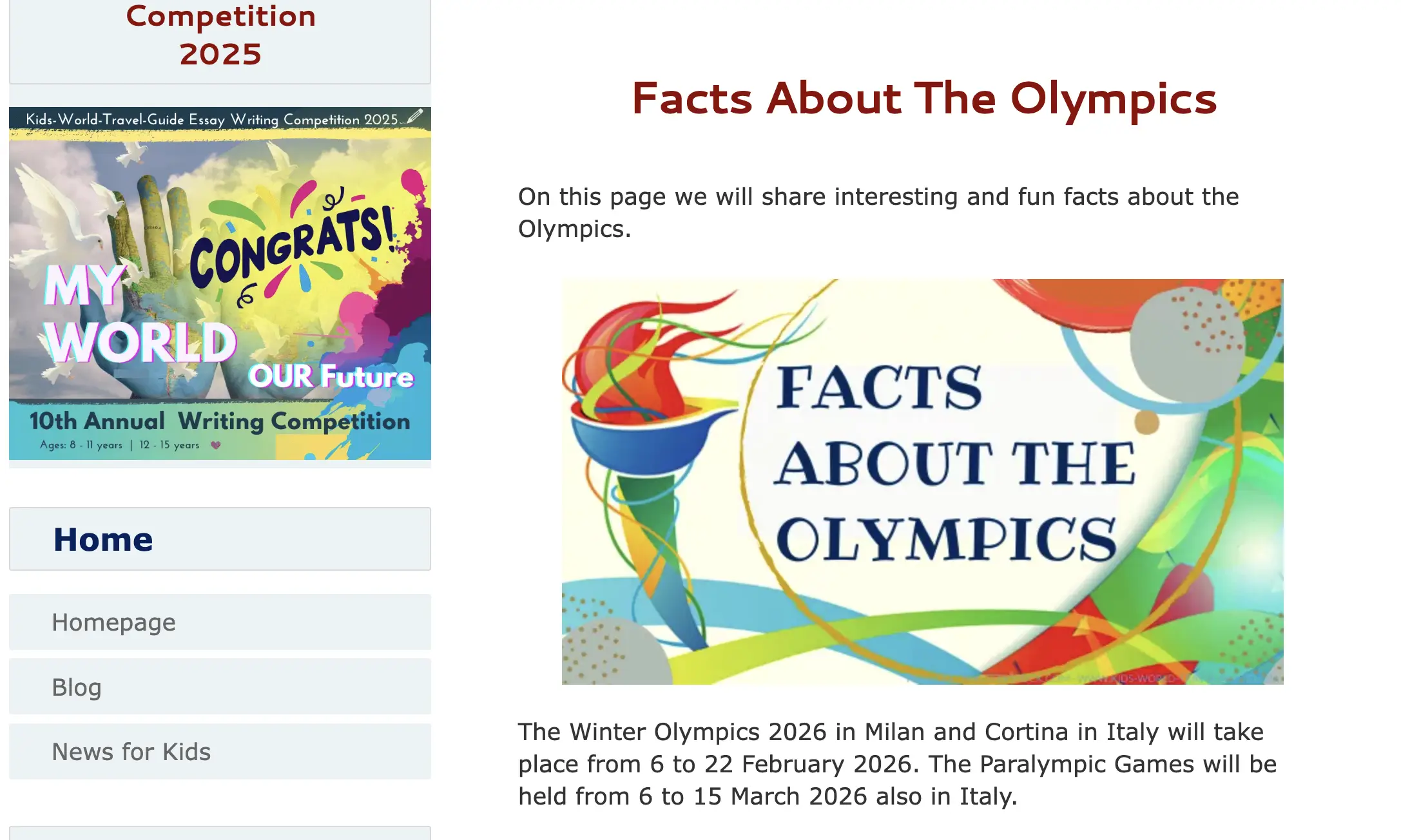
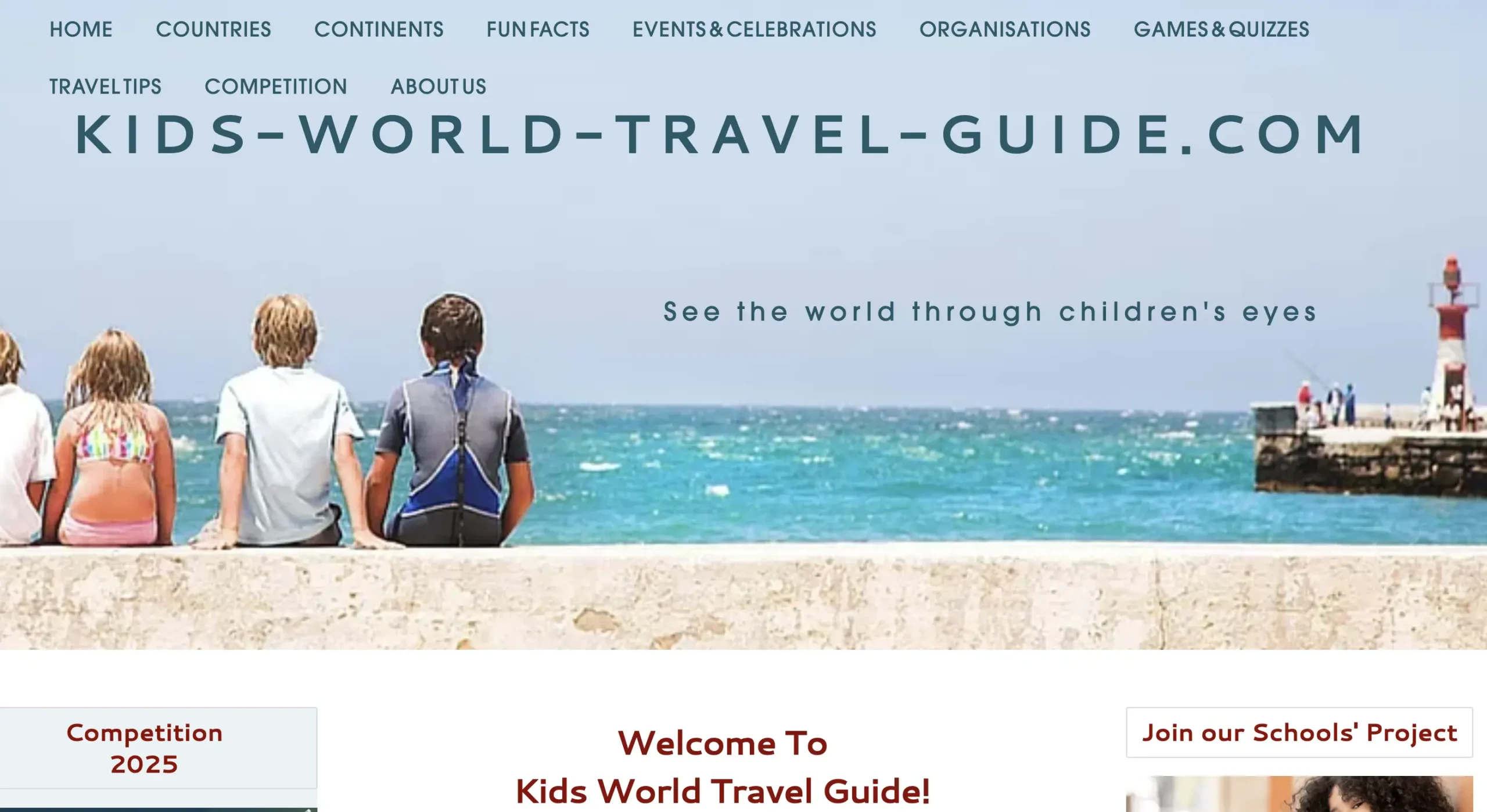
The second tool we’ve been using is Kids-World-Travel-Guide.com (with hyphens between each word). This site is made specifically for kids and is a wonderful way to explore countries around the world.
When you click on a country, you’ll find:
- Maps and location information
- Top facts
- Cultural details
- Landmarks and geography
- Images and visuals
- Kid-friendly explanations
There are also sections on:
- Olympic Games (current and past)
- Trivia quizzes
- Fun facts about continents and geography
- Travel tips and global celebrations
Right now, each of my students is researching a different Olympic host country. They’re learning about traditions, geography, and culture—and then teaching each other what they discover. The site makes it easy to find information quickly without overwhelming them.
I especially love that it includes past Olympics information. Once students get curious, they want to know everything—why events changed, where previous games were held, and how traditions evolved. This site supports that curiosity beautifully.
Why the Olympics Are Such a Powerful Teaching Tool
The magic here isn’t just the websites—it’s the relevance.
When students are already seeing something on TV, hearing about it at home, or talking about it with friends, you’ve got a built-in hook. They’re naturally asking questions:
- Where is that country?
- How fast was that skater?
- How does skeleton even work?
- How do athletes qualify?
- Why are events in different locations?
That curiosity fuels deeper learning.
And even after the Olympics wrap up, these tools are still useful. Athlete biographies, geography research, cultural comparisons, argument writing—these connections work all year long.
So if you’re looking for a way to bring the world into your classroom in a relevant, engaging way, these two resources are worth checking out.
As always, go educate and innovate.