Exploring Science
November 10, 2025
Looking to bring current science into your classroom and give students simple, hands-on ways to explore big ideas? This week we’re highlighting two fantastic, free resources: Science News Explores and Exploratorium. Between timely articles, vocabulary support, comics, experiments, and low-cost “science snacks,” you’ll have plenty to plug into lessons from elementary through high school.
Science News Explores
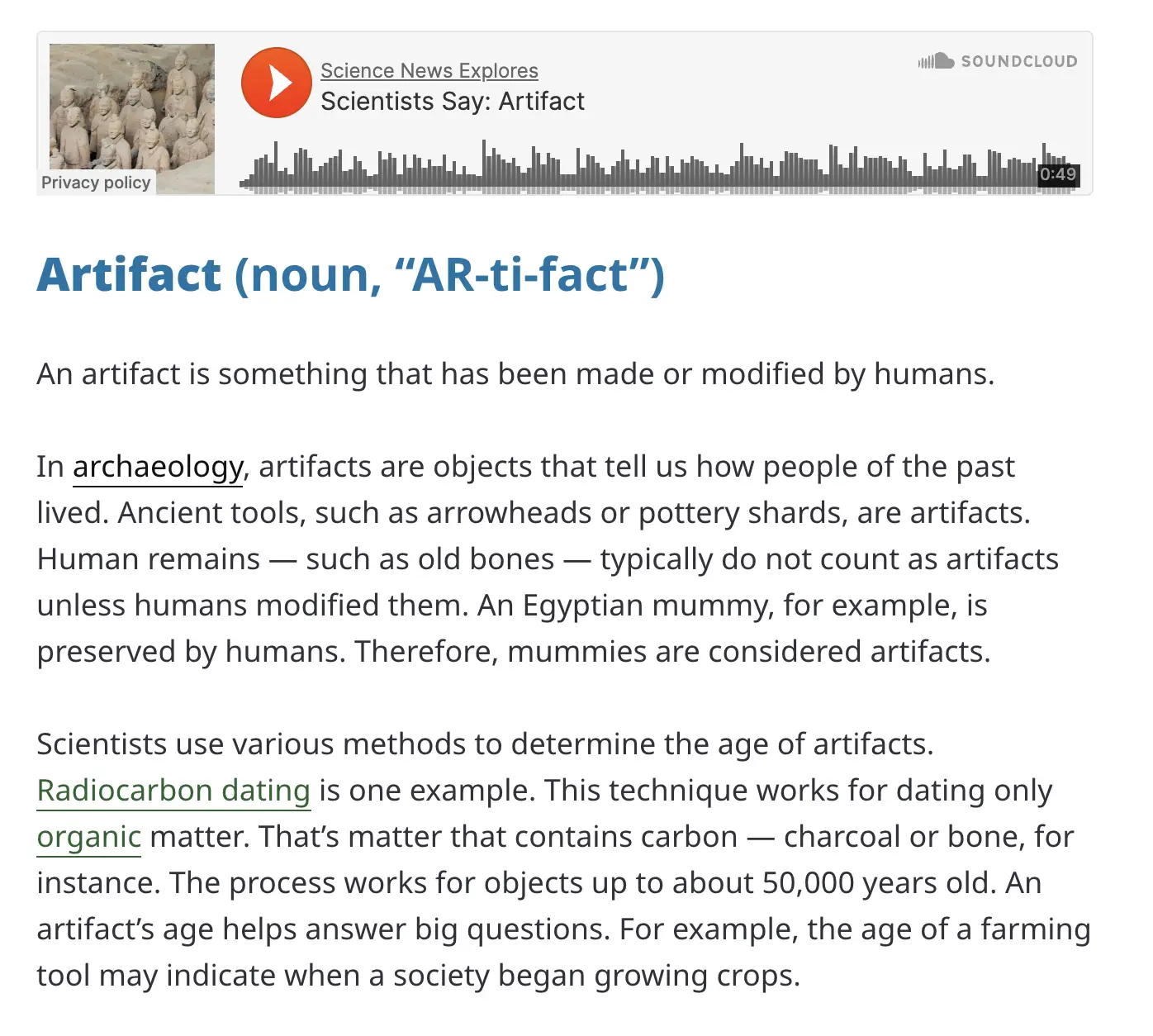
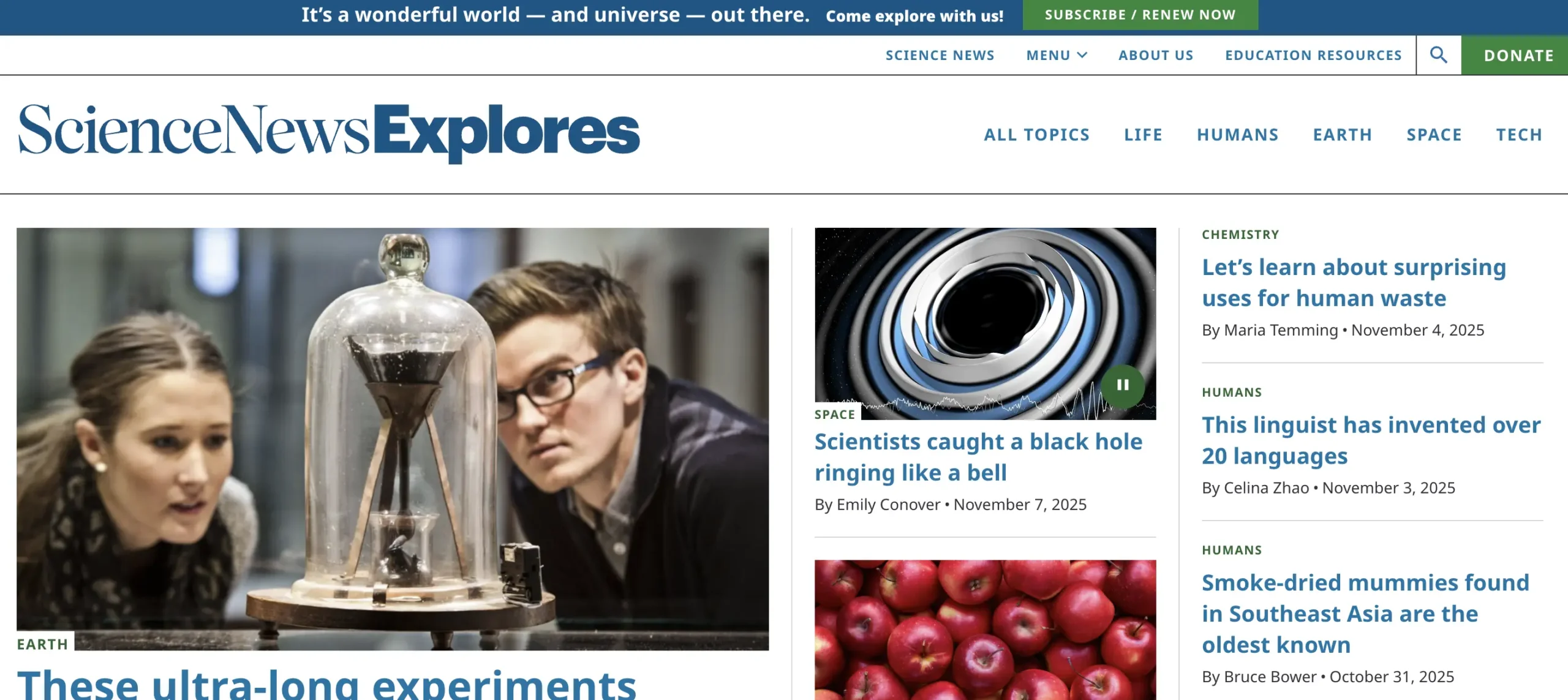
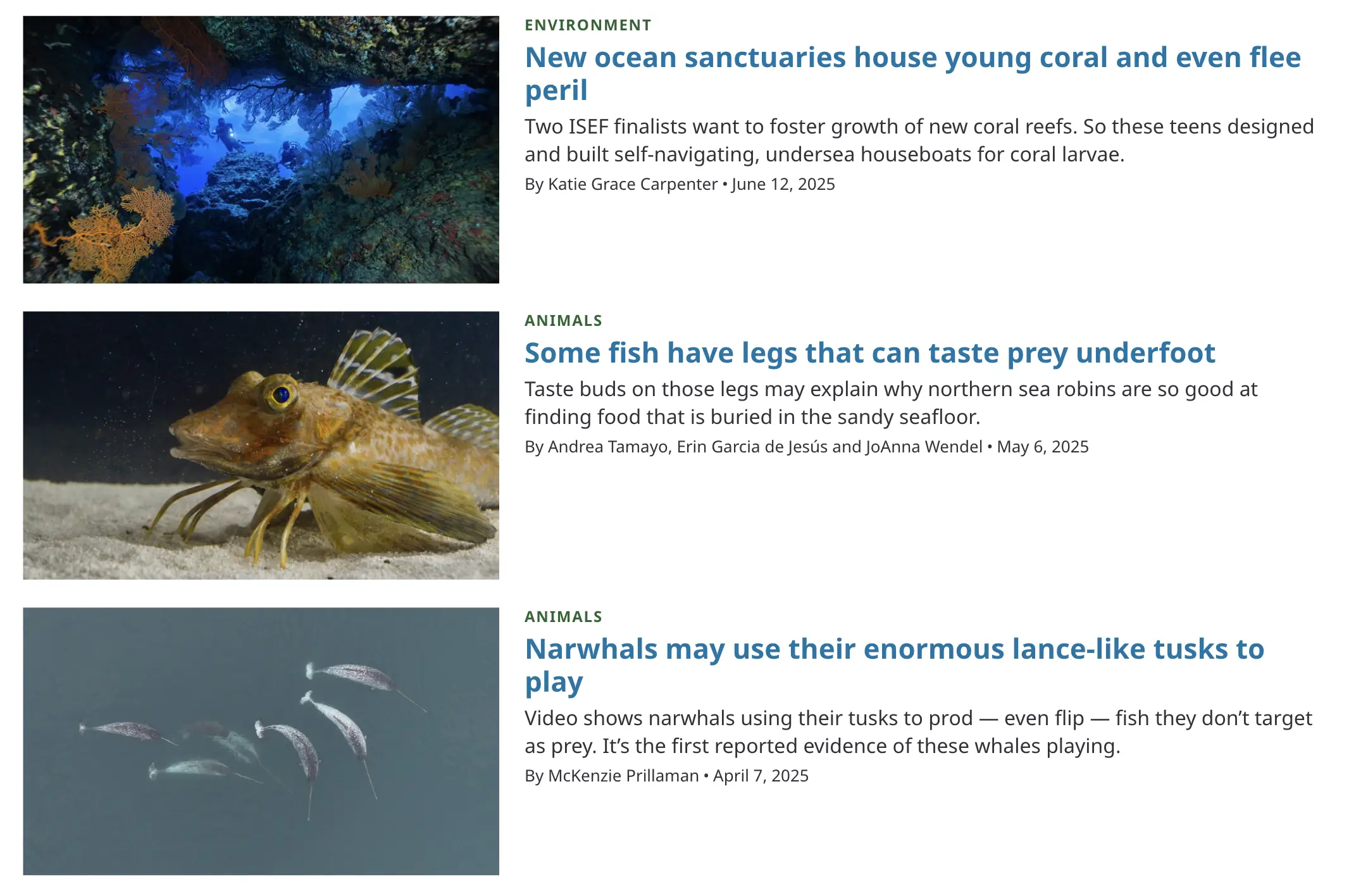
Science News Explores delivers student-friendly science reporting that’s updated frequently, plus classroom-ready supports.
Why I like it:
- Timely topics across life, earth, space, tech, and human/health science—with audio read-aloud on many articles.
- Power Words & Word of the Week to build domain vocabulary (printable lists included).
- Explainers that break down complex ideas with visuals and examples.
- Experiments with clear objectives, materials lists, and under-$20 options.
- Comics (yep!) that model how to communicate science concepts.
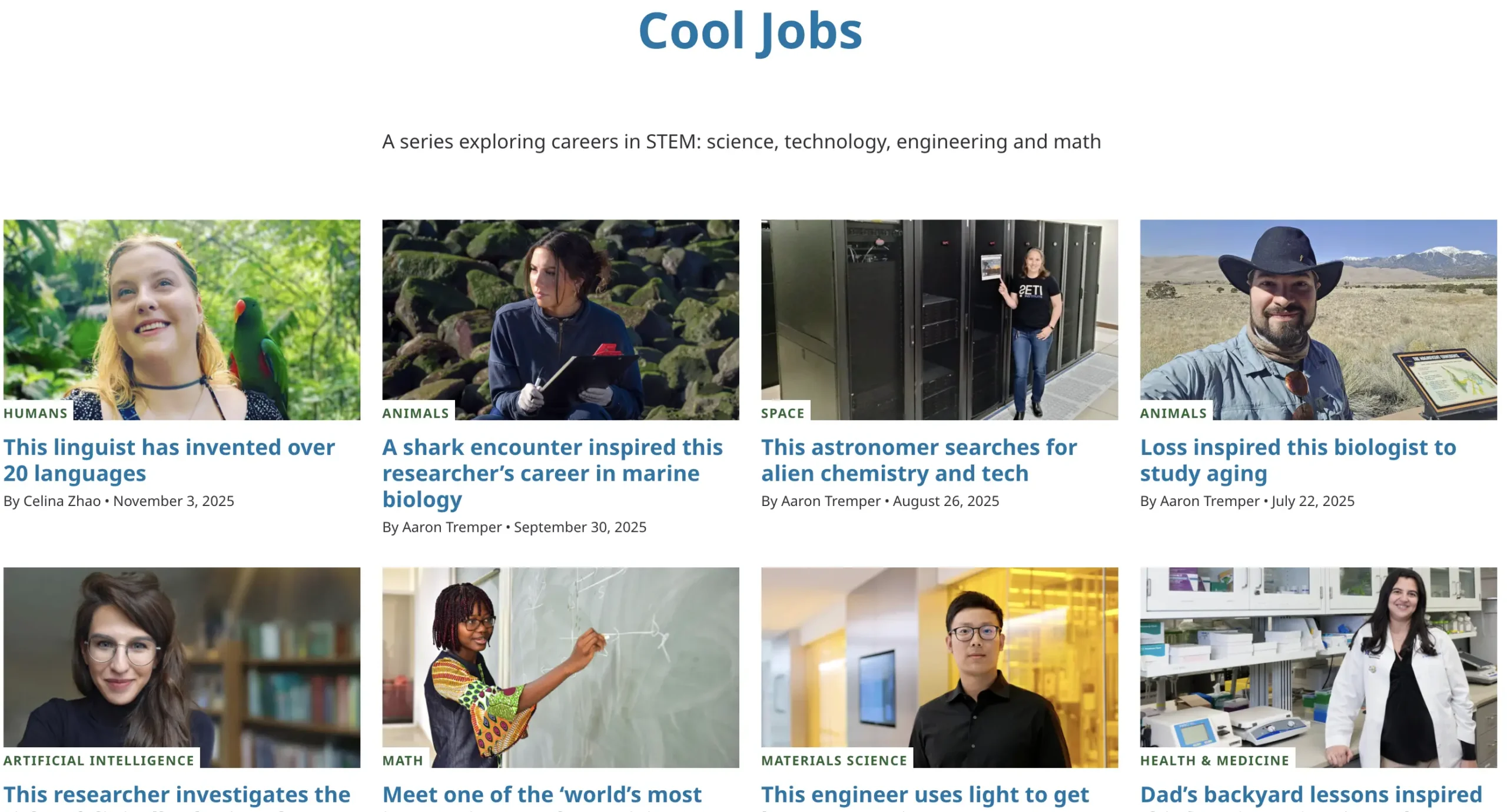
- Cool Jobs profiles that connect content to STEM careers.
Classroom ideas:
- Use an article + Power Words as a nonfiction reading mini-lesson.
- Assign an Explainer before a lab to front-load concepts.
- Let students pitch a 4-panel science comic to explain a phenomenon.
- Grab an Experiment for a Friday station or at-home enrichment.
Exploratorium
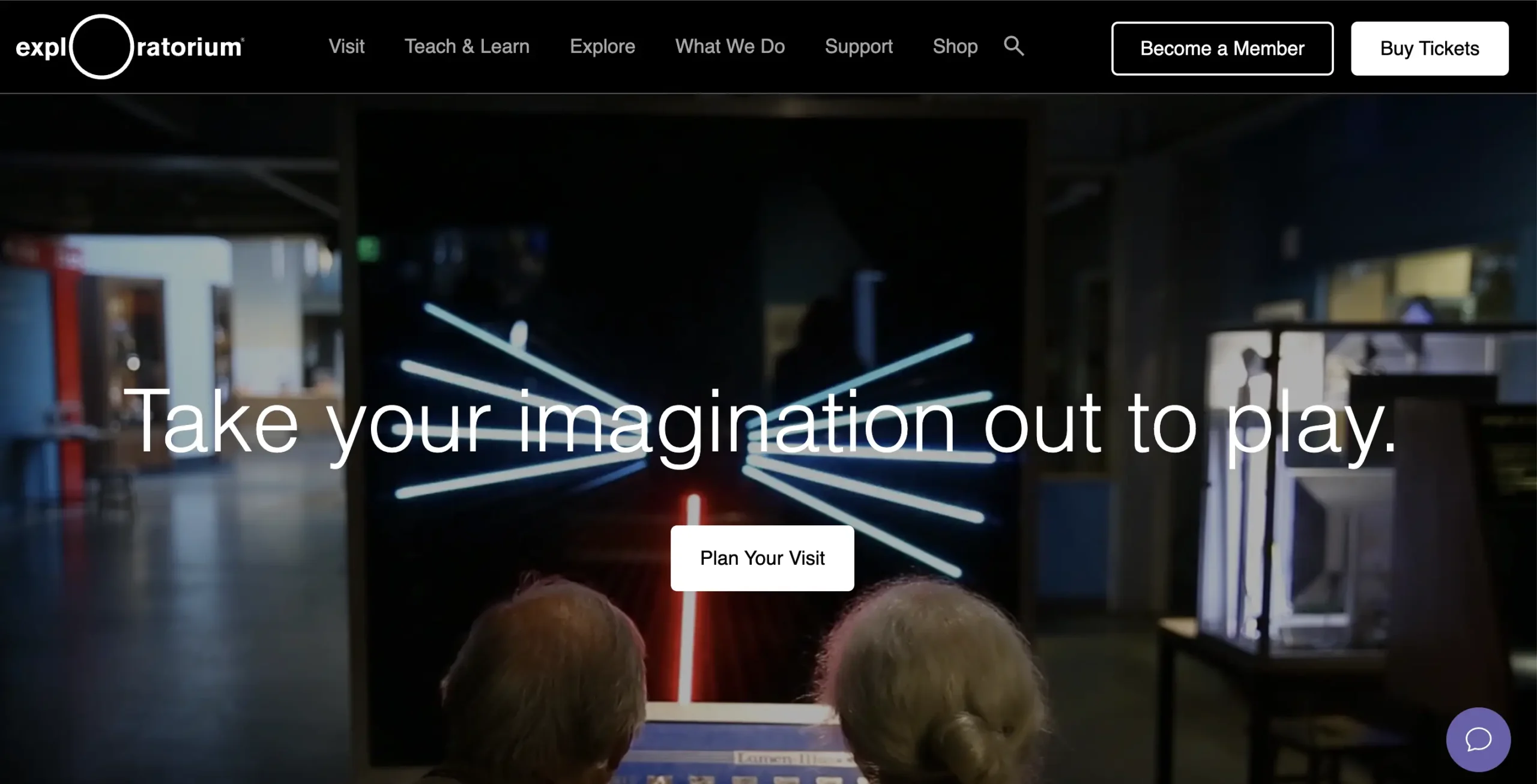
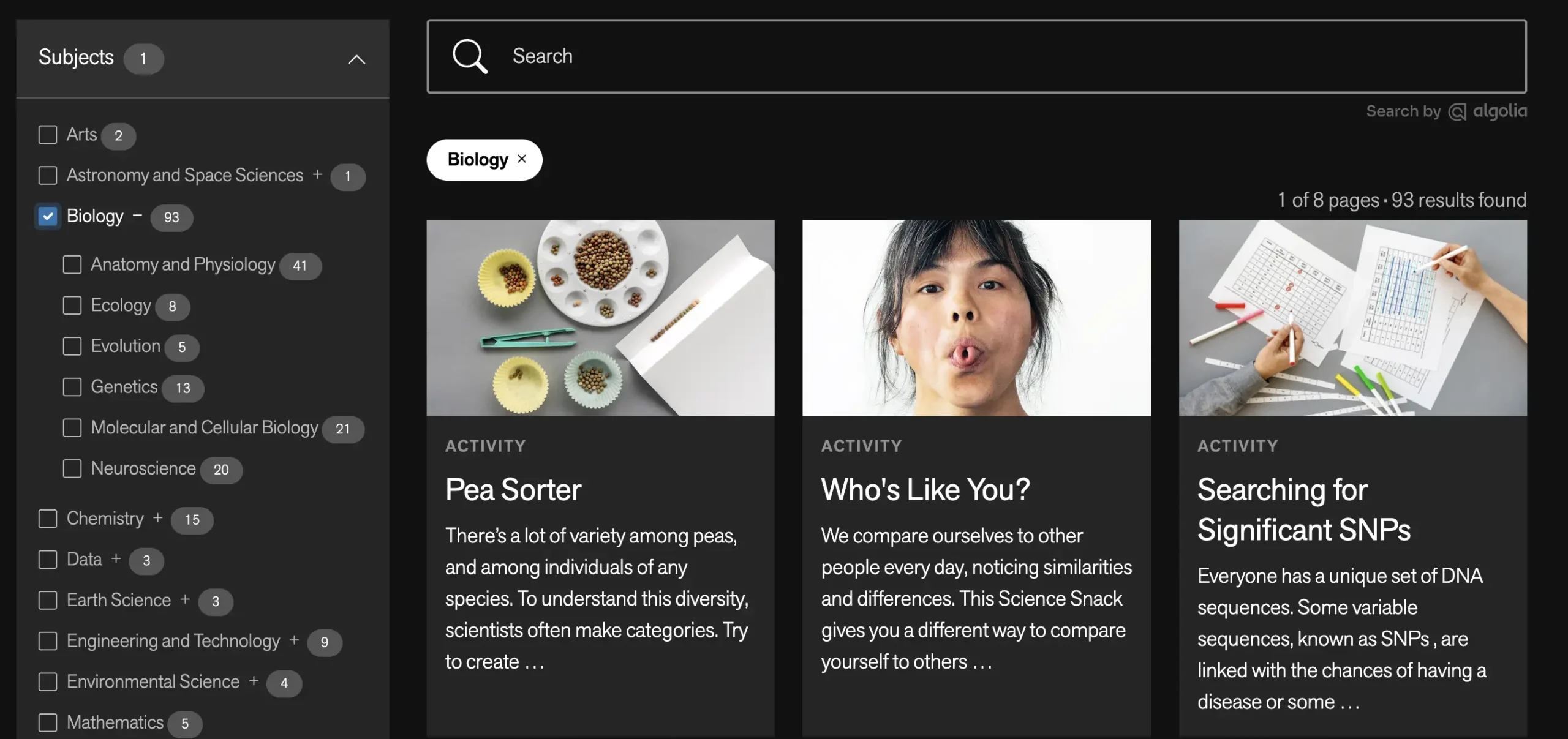
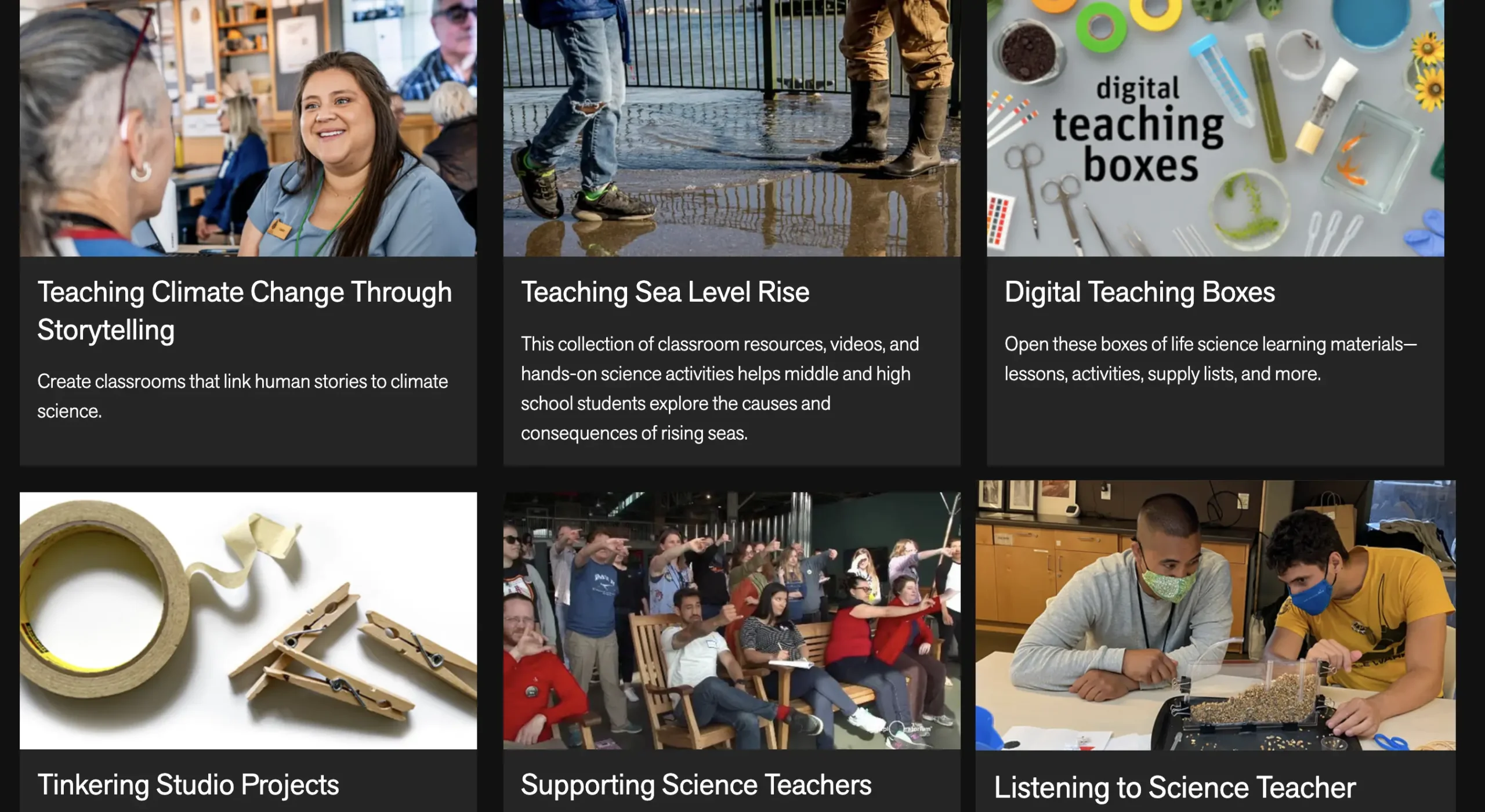
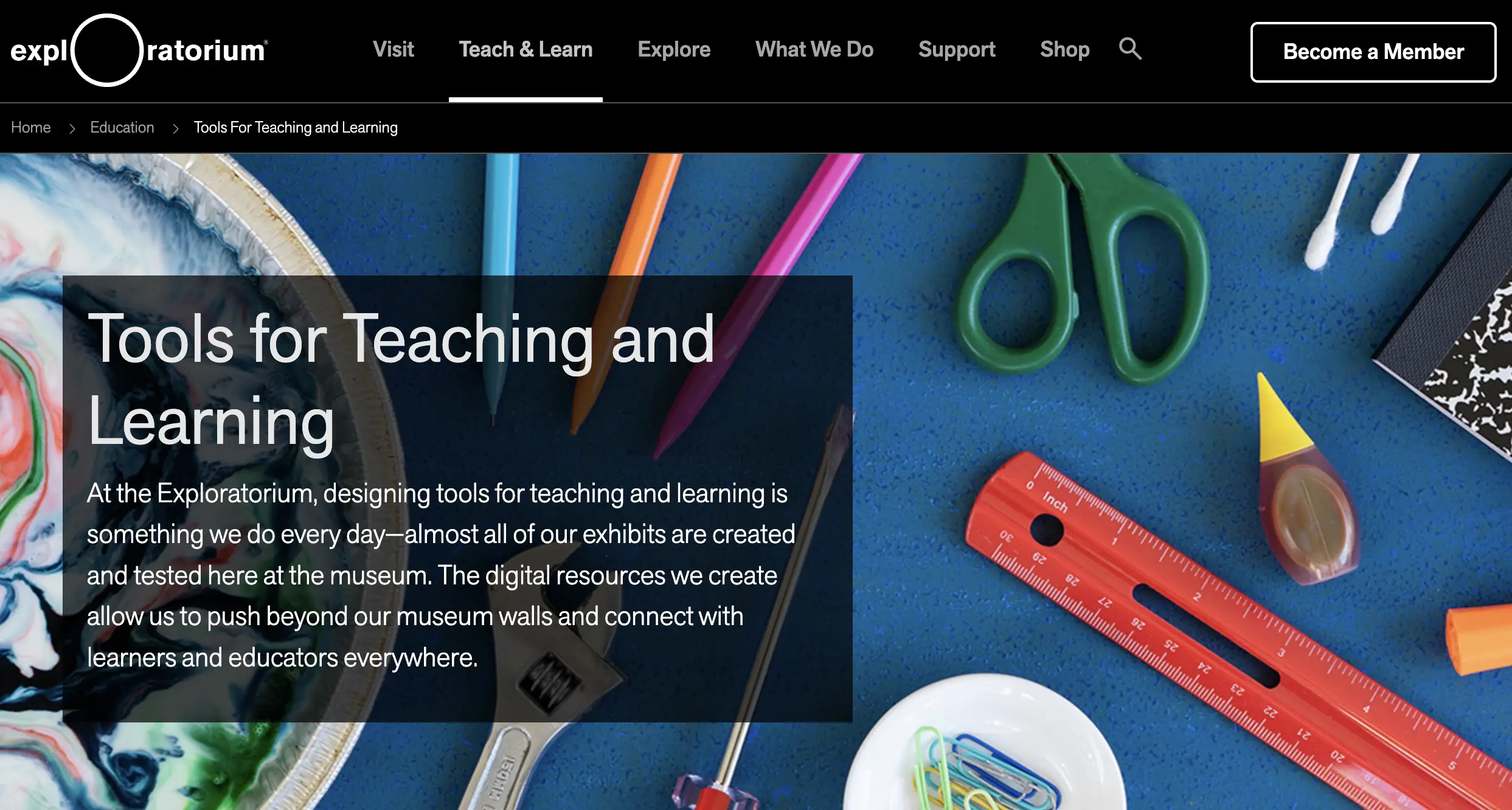
Exploratorium is an incredible science museum in San Francisco—and its website is packed with educator-friendly activities.
Why I like it:
- Teach & Learn → Science Snacks: low-cost, teacher-tested activities with step-by-step instructions, “what’s going on,” and extensions.
- Explore from Anywhere: filter activities by topic, NGSS, grade band (Pre-K–12), and type (DIY exhibit, digital, project, snack).
- Print-friendly versions for quick handouts, plus safety/tool callouts where relevant.
Classroom ideas:
- Run a snack like “Head Harp” (string + inquiry!) to introduce waves/sound.
- Try “Parachute Plummet” for a mini-inquiry on forces and motion.
- Pair a Snack with a short reflection: Notice, Wonder, Try, then connect to a standard.
Related Past Science Episodes
If you’re building a bigger science toolkit, check out Episode 31, Episode 90, and Episode 105 from our archives for more STEM resources.
Go educate and innovate.
— Shanna
TECH MENTIONED IN THIS EPISODE